




Scent is a powerful sense, able to conjure memories, associations, or reactions at first sniff. That may be why fragrances power a billion-dollar economy within the greater beauty industry. Fashion houses began distilling fragrances about a century ago, starting with Paul Poiret and continuing with Gabrielle Chanel’s iconic No. 5, not only as a means to support their clothing businesses, but to extend the wardrobe of their clients toward the ineffable.
But perfume is an invention that dates back to basically every ancient culture, from Egypt to Persia to India. In the early 2000s, archeologists unearthed what may be the oldest known perfumery in human history on the island of Cypress. The factory ruins contained 4,000 year-old clay bottles with traces of fragrant botanicals like laurel and cinnamon; the scale of the operation suggested that even back then, perfume was a big business.
Nowadays, fragrance reaches well beyond the perfume bottle. Its strong relationship with the human brain has led to fragrance being added to all sorts of other beauty products, from makeup like blush to skincare like moisturizer. A 2021 study from the NPD group found that three out of four beauty consumers “feel that fragrance helps lift and enhance their moods or bring back memories of happy times, places, and experiences.”
At the same time, there has been recent controversy about the addition of fragrance (a very loosely defined term that applies to natural and synthetic ingredients) to products—especially in the skincare aisle. The Environmental Working Group found that, as the use of personal care products has increased in the last two decades, so has human exposure to potentially irritating fragrance ingredients. In fact, the average adult may be exposed to “15 fragrance chemicals a day,” almost half of them possible allergens.
Cleansers and face washes, the first step in our skincare routines, are often likely targets for fragrance. As the entry into your regimen, they set up the experience to come, and formulators are keen to introduce that mood-lifting moment from the first application. But with the rising popularity of fragrance-free cleansers, you may wonder which path is right for you.
Before changing up your skincare routine, it’s a good idea to talk to your dermatologist or licensed aesthetician about your skin type, skin goals, and what products might work for both. Below you’ll find a brief primer on fragrance-free cleanser—and why it might be worth considering for your skin.
What is fragrance-free skincare?
Fragrance takes many chemical shapes and forms, and can come from botanicals like the cinnamon of Cypress or be synthetically derived in a lab. Since the composition of fragrance can be claimed as a trade secret, companies aren’t required to list the specific ingredients they use, preferring the umbrella term “fragrance” or “parfum.” This can make it tricky to know exactly what is in your favorite skincare product.
When it comes to a lack of perfume, there are two terms that may seem similar at first blush but describe slightly different formulations. These terms are “fragrance-free” and “unscented.” Real Simple defines fragrance-free skincare as not including any fragrance ingredients, which includes natural ones like essential oils as well as lab-made synthetic ones.
By contrast, unscented products merely lack a discernible scent, but this does not mean they’re free of fragrance chemicals. No scent doesn’t equal no fragrance. In fact, some of these products use fragrance to neutralize unpleasant odors from unrefined formulas.
If you are somebody who prefers to avoid fragrance, you may want to look for fragrance-free cleansers, moisturizers, and other skincare products.
Is fragrance-free skincare right for me?
By no means is fragrance bad for humans. The American Academy of Dermatology doesn’t warn against using products with fragrance, but it does support the identification of certain fragrance allergens—allergens that are unlikely to be printed on an ingredient list. Your dermatologist will have more information about how fragrance may interact with your skin. But there are a few groups who might want to take extra care with fragranced skincare.
If you have sensitive skin. Sensitive skin is a skin type defined by frequent reactions to substances that may not normally cause a reaction in other skin types. Those with reactive faces know to be careful with what they apply to their skin, but fragrance in particular has been studied for its potential to further sensitize skin. For this reason, fragrance-free is generally considered better for sensitive skin types.
If you tend toward very oily or very dry skin. Every skin type should keep in mind fragrance’s potential to irritate skin, but especially if skin sits at either pole of the oily-dry spectrum. Oily skin is associated with a higher incidence of acne, which can be aggravated by fragrance; meanwhile, dry skin types, especially those who deal with bouts of eczema or psoriasis, may want to avoid fragrance, too.
What is the best fragrance-free cleanser?
As more and more research is published on the interactions between fragrance ingredients and skin, so demand grows for fragrance-free skincare products. Now, there are plenty of options available. So which one is right for your skin?
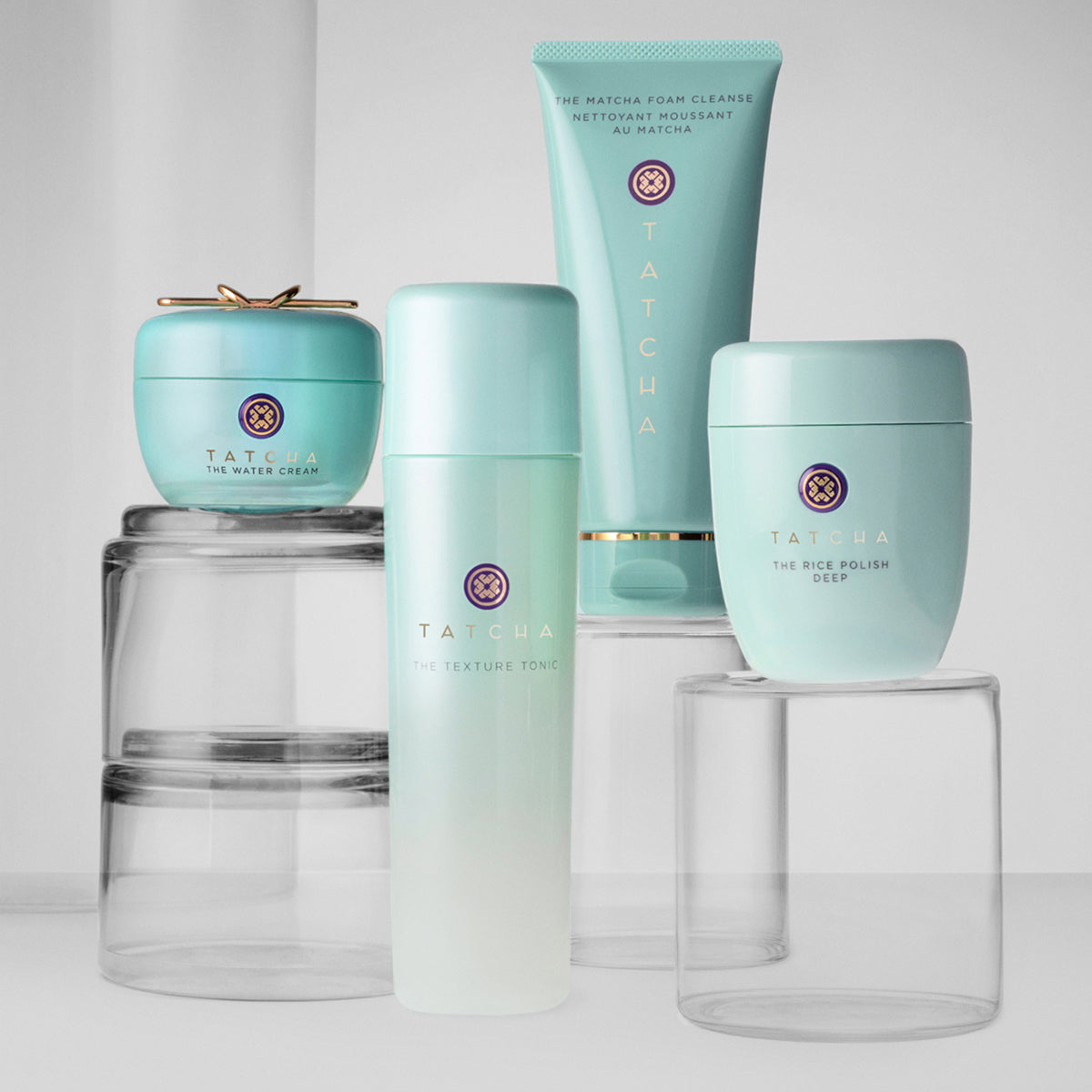
Tatcha’s new Matcha Cleanse is formulated without fragrance or soap—unusual for a gel cleanser, but perfect for oily skin (or anybody looking for a deeper cleanse). The refreshing watery-foam texture is ideal for blemish-prone skin. Skin feels hydrated and clean after rinsing, not stripped or tight. It also beautifully primes the skin for makeup.
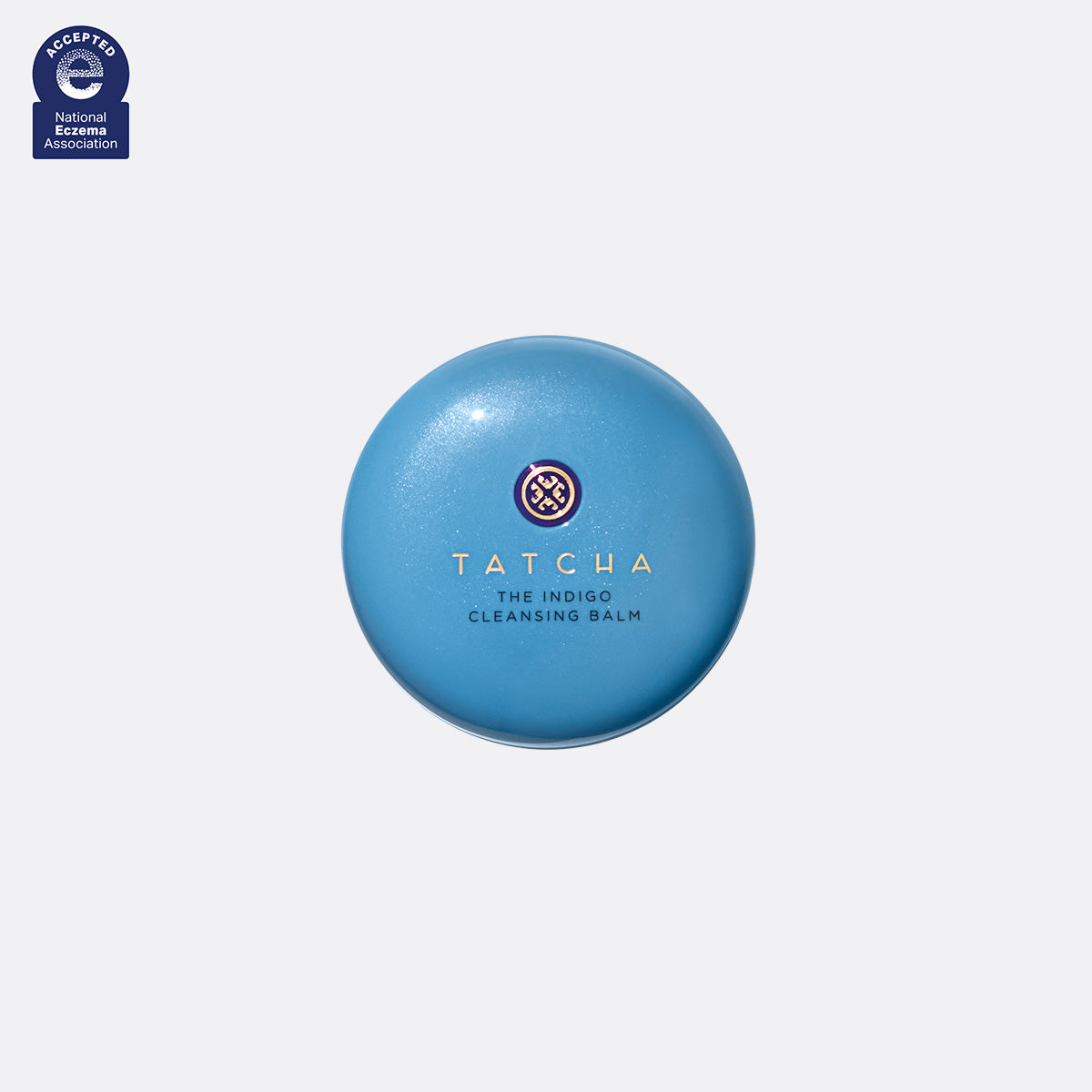
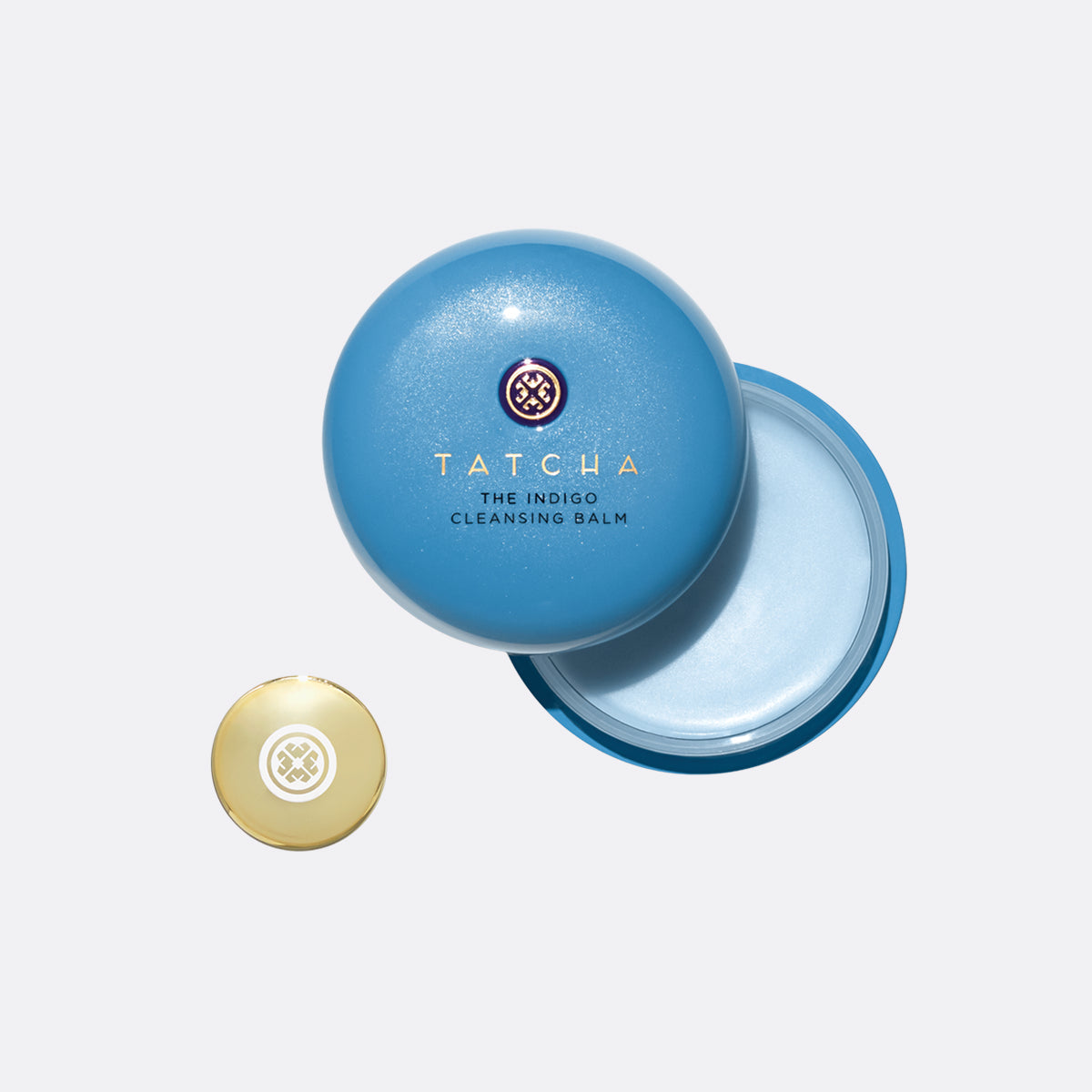
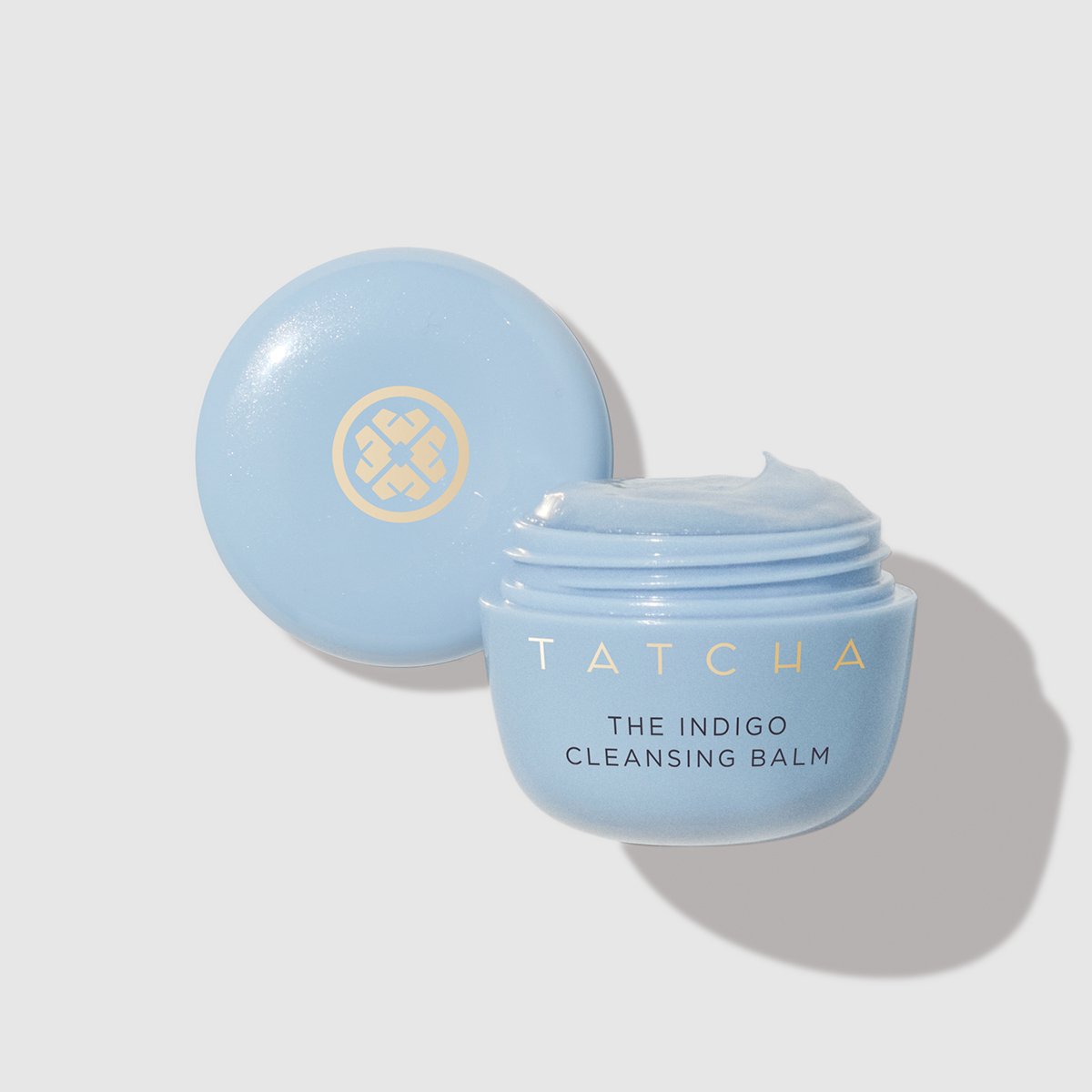
For sensitive, reactive skin, there’s only one answer: The Indigo Cleansing Balm, a butter-soft cleanser infused with Japanese indigo, a powerfully protective superplant. Its cleansing power comes from gentle lipids that gently but effectively remove skin build-up and long-wear makeup, including waterproof mascara, leaving clean, soothed, and nourished skin behind. No fragrance, no problems.