



Summary
-
Sunscreen used to be considered thick, pore-clogging, and opaque white — but today’s iterations are impressively different.
-
Modern sunscreen is lightweight, nearly invisible, and can actually improve the look and feel of skin.
- A lightweight feel is not only sensorially important, but it also helps to make the experience of wearing it more enjoyable, while encouraging you to use it daily. It’s a pleasure to use, rather than a chore.
Sunscreen is now impossibly lightweight, blends instantly into the skin, and is designed for all skin tones and textures. But which weightless sunscreen is ideal for you? We look into modern lightweight sunscreens and help you narrow down your search.
Sunscreen used to be synonymous with less-than-flattering sensations: goopy, sticky, ghostly-white cast. But today’s iterations couldn’t be further from those concepts; sunscreens now feel weightless, apply invisibly, and can actually improve the appearance of skin (thanks to skin-bettering ingredients). How sunscreen feels on the skin isn’t just a throwaway promise, though; if a product doesn’t feel good, customers won’t use it. While that’s not a major issue for most categories, it is potentially life-threatening for sunscreen. Which is why discovering the best lightweight sunscreen is not only important but also vital. We tracked down what makes a sunscreen feel weightless and the best ones that fit the (lightweight) bill.
Sunscreen 101
Before we get into the beauty and convenience of a lightweight sunscreen, let us first delve into the basic terms.
Broad Spectrum
According to the FDA, the term broad-spectrum sunscreen means a product that can protect from the sun’s harmful ultraviolet A (UVA) and ultraviolet B (UVB) rays. To be considered a broad-spectrum sunscreen, it must be approved by the FDA. The American Academy of Dermatology recommends using only broad-spectrum sunscreen because it can help prevent skin cancer, premature skin aging (including sunspots and wrinkles), and, of course, sunburns.
UVA and UVB Rays
Are all rays created equal? Both can be harmful, but in different ways. UVA causes skin aging, while UVB is the rays responsible for sunburn. Both damage the skin and increase the risk of skin cancer, but the difference is that UVA rays have longer wavelengths, penetrating deep into the dermis to cause premature aging, while UVB rays have shorter wavelengths, damaging the epidermis and causing sunburns.
Physical Sunscreen
Physical sunscreen contains active mineral ingredients, such as titanium dioxide or zinc oxide, says the Mayo Clinic. This is why physical sunscreens are often interchangeably called a mineral sunscreen. A physical sunscreen works by sitting on top of your skin to form a shield and reflect against harmful and damaging UV rays.
Chemical Sunscreen
Chemical sunscreen contains organic compounds, like oxybenzone, octinoxate, octisalate, and avobenzone. These ingredients gently sink into the skin and protect you by absorbing UV rays and changing them into heat, deactivating them, and then releasing that heat from the skin.
History of Lightweight Sunscreens
The United States only has two approved categories of sunscreen: physical and chemical (and then hybrid when the two are combined). But internationally, there are many popular sunscreen filters. In Japan, milky lotions are wildly popular, not only for essences and toners, but also for sunscreens. The focus on comfort and efficacy is why many skincare experts consider Japanese sunscreen formulas to be the gold standard for daily wear. A lightweight lotion that hydrates, melts into the skin, and provides all-day skin benefits? A gift. But a lightweight sunscreen that hydrates, melts into the skin, and provides all-day long skin benefits? A revelation!
Several skincare trends have pushed sunscreen from the ancient goopy textures into this modernized era. Thank technology, interesting formulas, and active lifestyles for the new updates:
Formulations
While thick and petroleum-based formulas were the norm until recently, brands and labs are responsible for making sunscreen a joy to wear, in part thanks to new textures and bases. Water-based formulas have allowed sunscreens to take on a lightweight texture, feeling more serum-like. Some brands, like Tatcha, even have their sunscreens in more skincare-based formulas, allowing the SPF to feel more like a nourishing skincare product than a sunscreen.
Lifestyle
With the rise of active lifestyles, skincare and sunscreen have had to adapt to become as active as the individual wearing them. Sweat-resistant, water-resistant, and fast-drying are now the norm, allowing sunscreen to move with you.
The Best Lightweight Sunscreen for Your Face
Refreshing, nearly weightless, and broad-spectrum protection is what your skin deserves. Here are a few of our favorite formulas and what skin type they might be ideal for.
Best Overall Lightweight Face Sunscreen
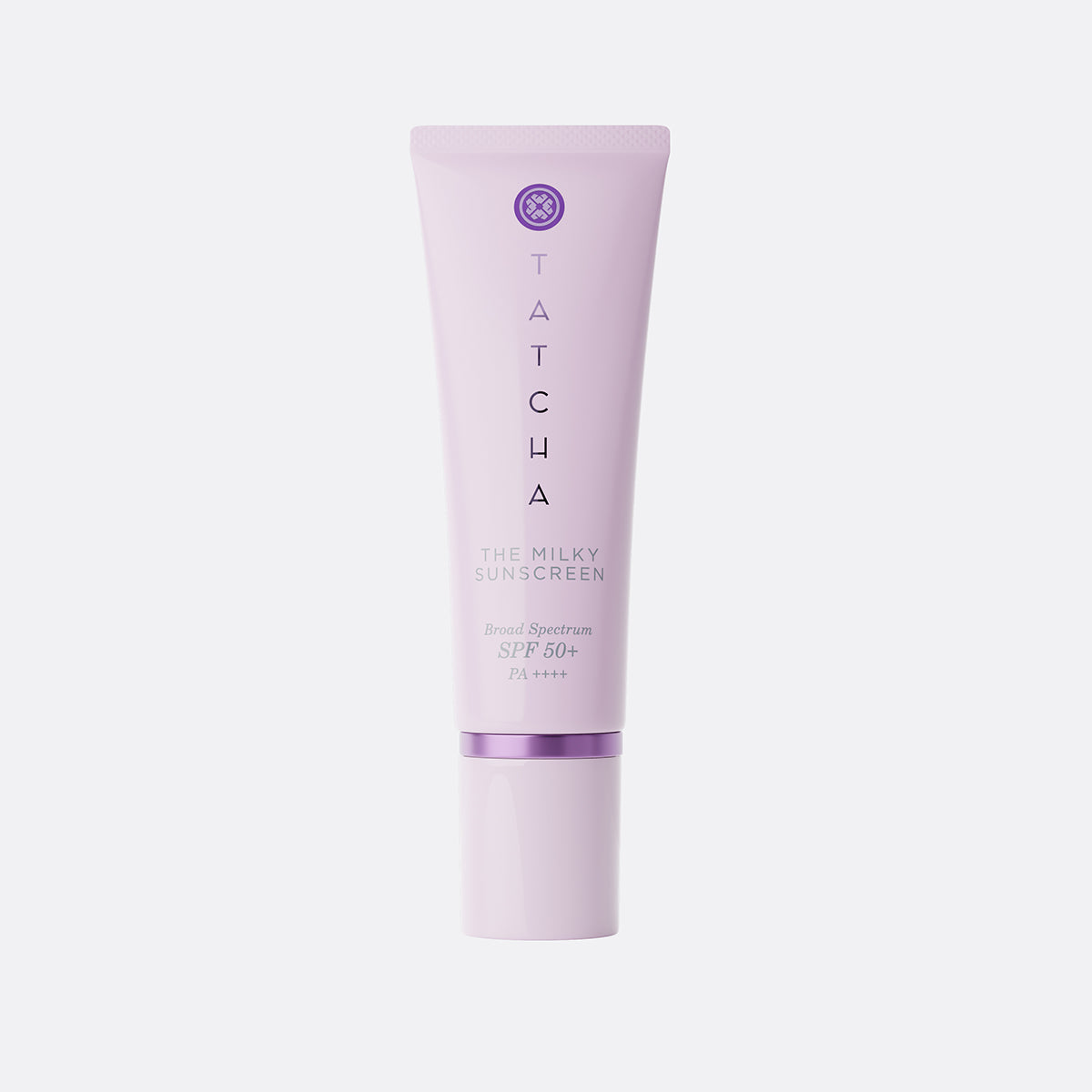
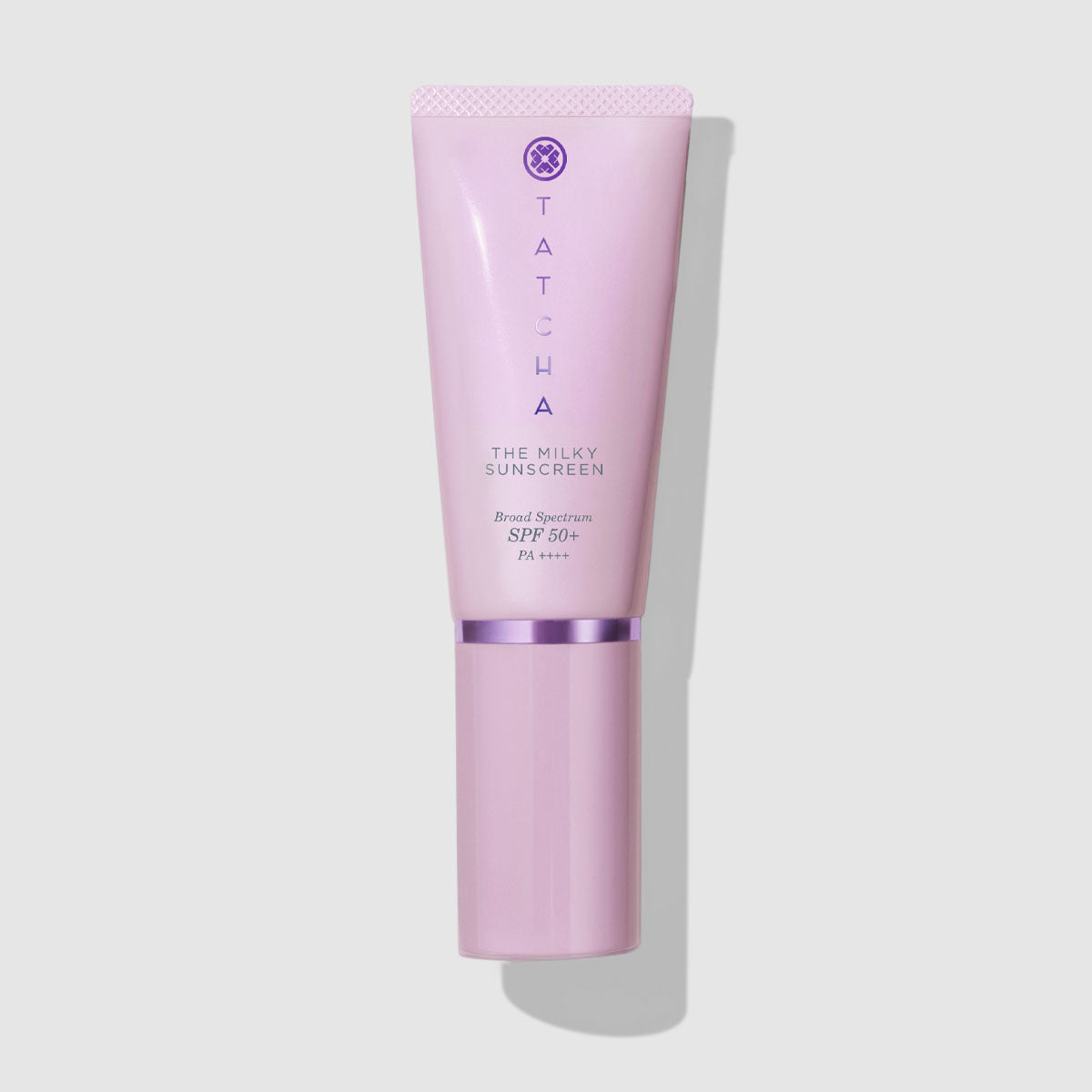
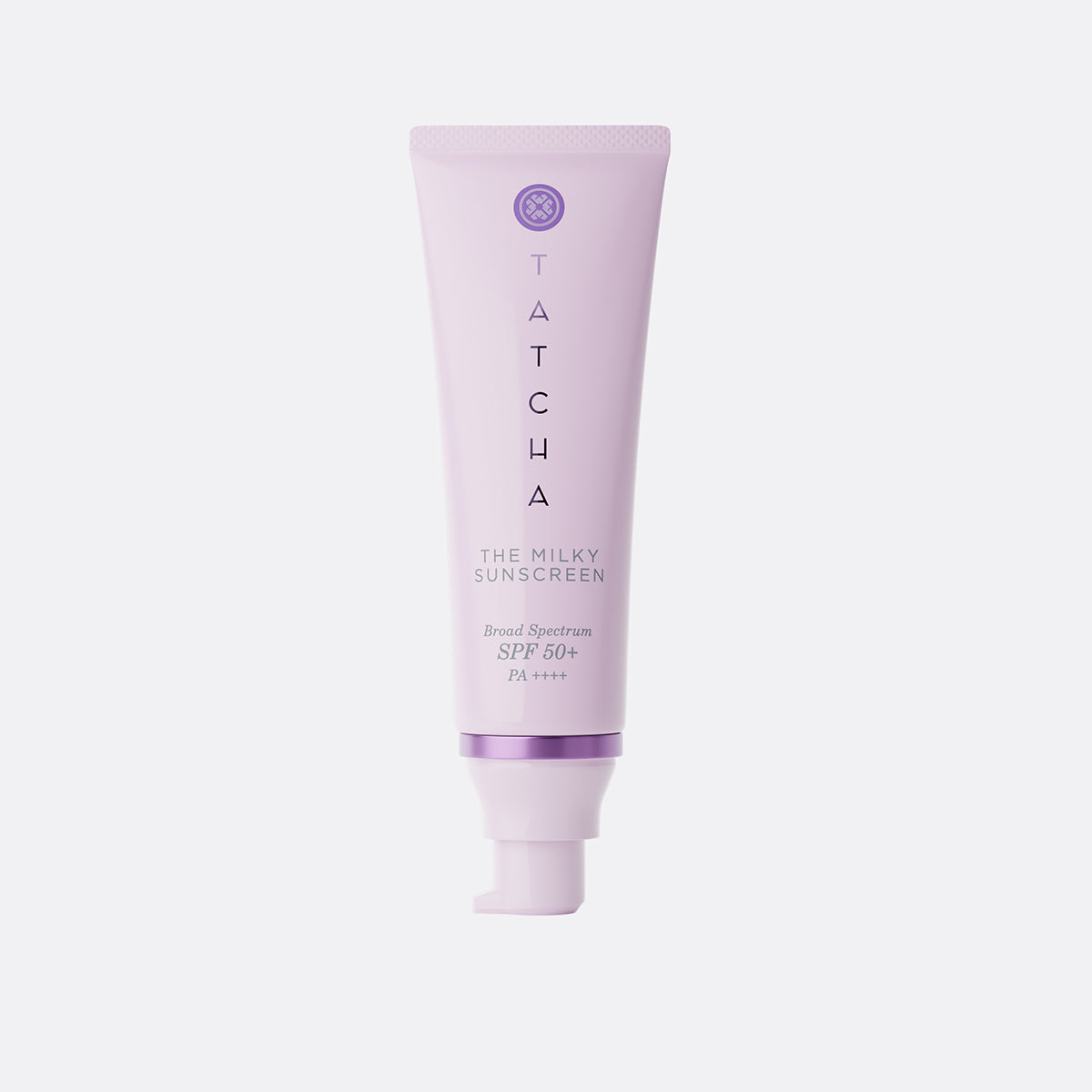
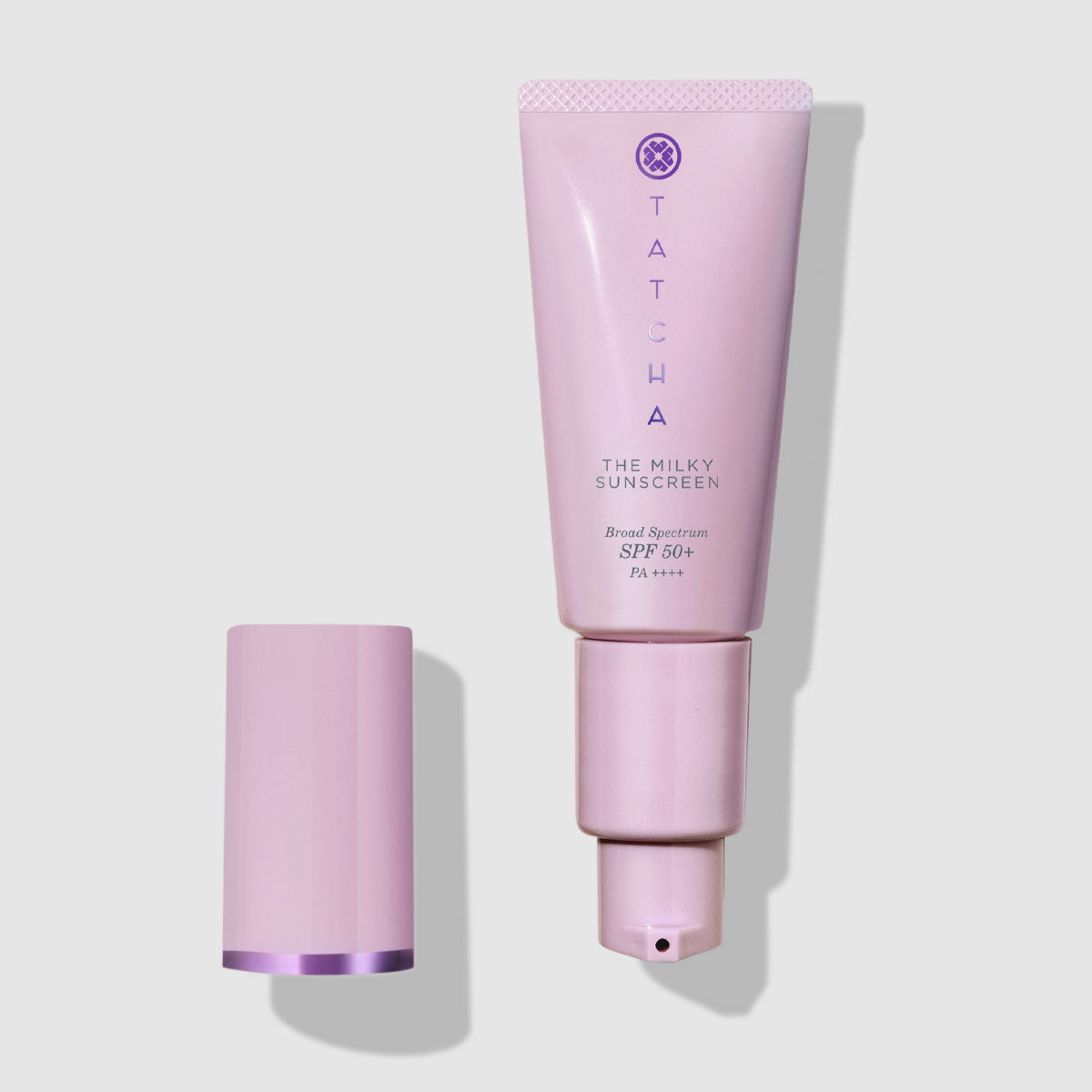
The Milky Sunscreen is powered by a refreshing, milky lotion texture that quenches sun-stressed skin with soothing hydration. The next-generation formula also addresses existing UV-induced damage, while delivering broad-spectrum SPF 50+ / PA++++ protection. (That + protection is a Japanese rating system with four +s being the highest possible protection against UVA damage.) Designed to feel and look comfortable and natural, The Milky Sunscreen works with all skin tones and types (including blemish-prone skin, as it is non-comedogenic), disappearing on skin for everyday protection.
Featuring chemical sunscreen filters to deliver broad-spectrum coverage, the sunscreen has been clinically shown to immediately improve moisturization and the skin barrier, and visibly improve fine lines, redness, and dark spots after two weeks.* Helps visibly correct three key signs of sun damage on the skin (fine lines, redness, and dark spots), while providing cellular hydration, and a milky light SPF 50+ protection? The future of sunscreen truly has arrived.
*Based on a clinical study of 30 panelists.
Best Lightweight Sunscreen for Sensitive Skin
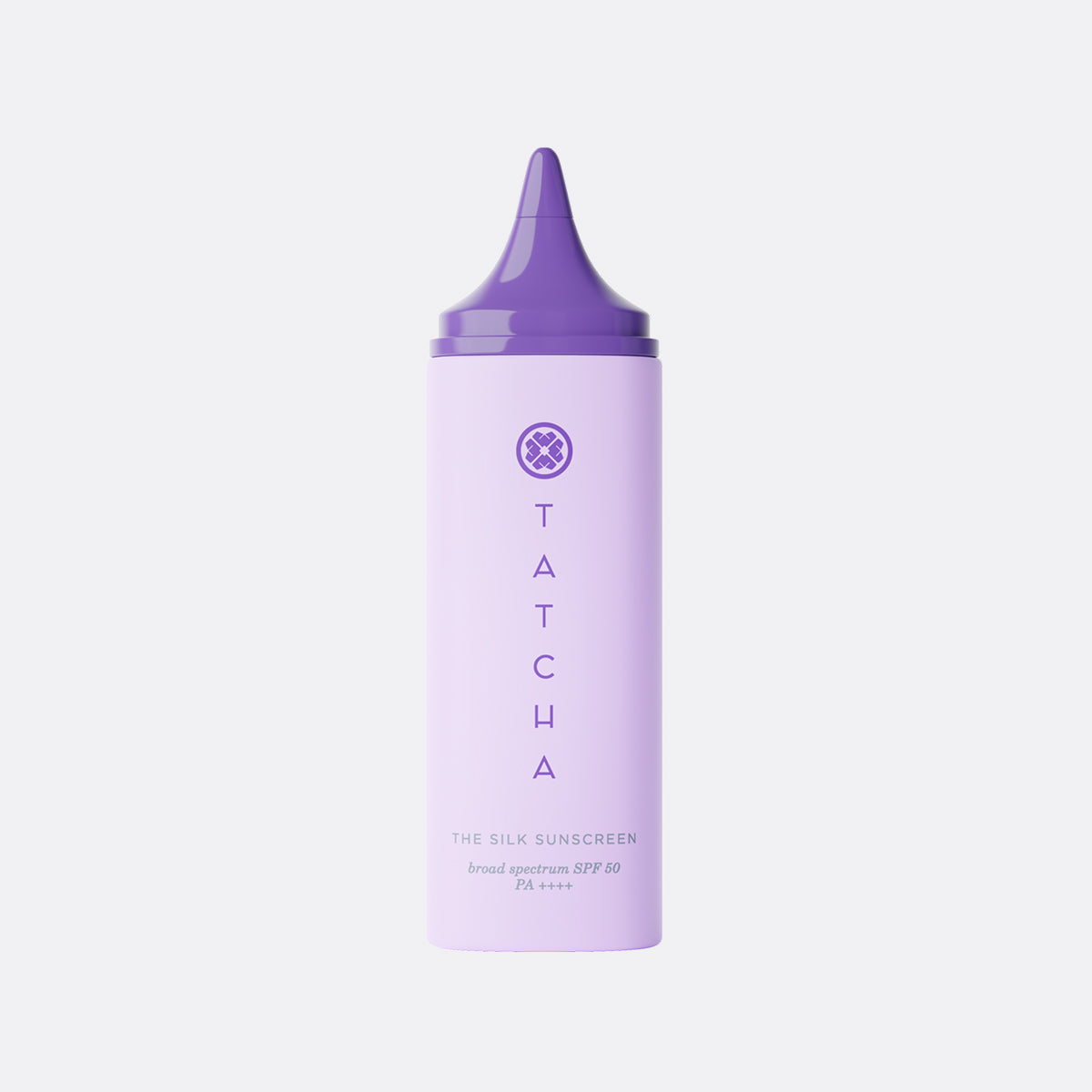
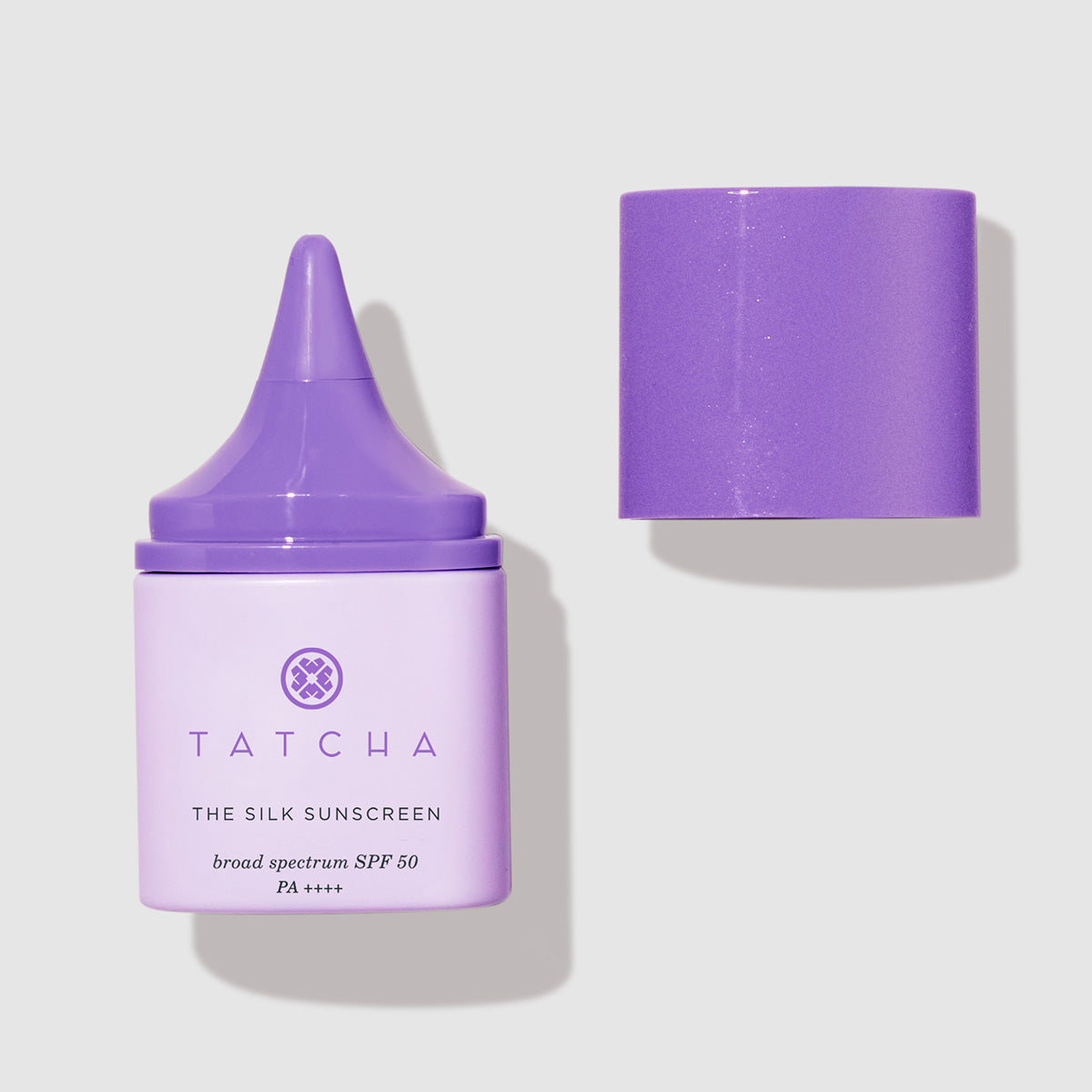
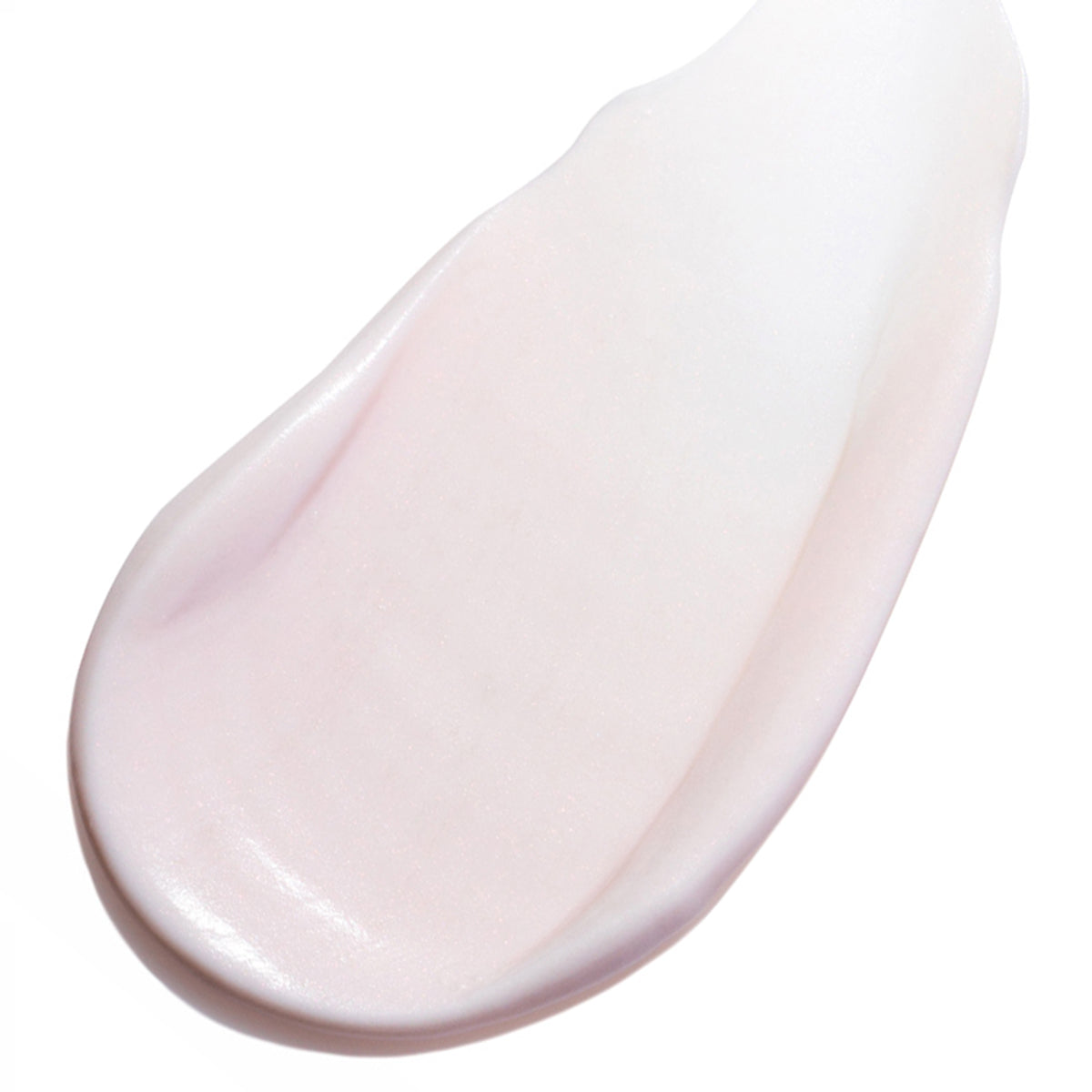
The Silk Sunscreen is a light-as-air formula made for all skin types and tones, but is especially helpful for sensitive skin — thanks to zinc oxide, which can soothe and hydrate. The Silk Sunscreen has SPF 50 protection, designed to move with you, being as active as you’d like to be. It is sweat-resistant, water-resistant, and non-comedogenic — all while visibly evening skin tone (thanks to niacinamide) and hydrating (hyaluronic acid boosts moisture levels). The sheer, radiant finish also has impressive clinical results: 100 percent of users agreed that the sunscreen feels comfortable on their skin* and, after two weeks, participants showed an improvement in skin radiance, smoothness,** and barrier.***
*Based on a self-assessment study on 40 panelists.
**Based on an expert grader study on 40 panelists.
***Based on a bio-instrumentation study of 40 panelists.
Best Lightweight Sunscreen for Acne-Prone Skin
If you’d like your sunscreen to dance between a lightweight texture and a soft cream, try the Silken Pore Perfecting Sunscreen. This hybrid sunscreen has broad-spectrum SPF 35 protection and features both chemical and mineral SPF, allowing for a nearly lightweight feel while also providing lasting protection against the sun. But the formula’s texture and ingredients make it perfect for acne-prone skin. The lightweight protection is formulated with silk extract for a silky-smooth feel and Japanese wild rose to help tighten the look of pores and smooth skin texture. Meanwhile, loquat leaf extract offers a rich source of antioxidants to protect and calm your skin.
Designed to blur the look of pores, smooth skin texture, and calm the skin, this mattifying sunscreen is wholly unique. It also creates a smooth canvas for makeup, doubling as a primer, and is, of course, non-comedogenic and dermatologist-tested.