


Each person is blessed with a unique shade of natural lip color. So why does it fade as we get older, and how can we restore it to its former luster?
The skin on our lips is unique in a few ways. For one, our lips don’t have pores, which means they also lack the sebaceous glands and hair follicles found almost everywhere else on the skin.
For another, the skin on our lips is much thinner than the skin on our cheeks and arms and legs and feet. While facial skin may be around 15 to upwards of 30 cell layers deep, lips only have about four or five. The skin here is more translucent, shaded by the blood vessels beneath—and giving them their natural hue.
It’s human nature to paint our lips, and it’s a human pastime to make, market, buy, and wear lip sticks and tints. But at the end of the day, after we wash our makeup off, we go to bed in our natural lip color. Our natural lip color varies according to things like our complexion and undertones, and even indicates certain health conditions. Studies have also shown that, as we age, the number of blood vessels under our lips diminish, and they become less red over time.
It’s hard to notice color loss, and yet so easy to wonder: Are they as red as they used to be? But lip color can be restored, using a variety of means—both skincare, cosmetic, and downright physical.
The many colors of the lip
The most specific term available for lip color might be vermilion—an orange-pink red shade derived from the natural color of cinnabar ore—that refers to the skin on our upper and lower lips. Additionally, the lip line is known as the vermilion border, where the skin on our lips meets the skin around our mouths.
One’s natural vermilion shade is determined by, among other things, their genetics and the thickness of their lips. As one study, commissioned by the luxury conglomerate LVMH (who manufacture various cosmetics), determined, natural lip color is highly variable. A lip may carry tones of yellow, or red, or blue, or all of the above; these changes can be observed both within and across ethnicities, indicating that our lip color may just be as personal as our fingerprint.
This is not to say that one’s lips remain the same color throughout their life, or even throughout the day. In fact, lip color can be subject to many changes in gradation, in response to many different things: Lips can seem redder when you’re overheated, or pale during times of dryness, or weakened immunity. Paying attention to your lip color is a diagnostic technique that dates back to ancient East Asian medicine, the idea being that one’s lips—and the window into the circulatory system they offer, via their natural color—can give clues as to what’s going on inside someone’s body.
Natural lip color over time
As time wears on, so does natural lip color wear out.
It’s a fact of life: Age causes some of our body’s regenerative processes to slow, including ones that replenish the skin. This becomes obvious to the naked eye as structural proteins like collagen and elastin denature, leading to skin sagging and wrinkling. With time, lips become thinner and drier. Their natural color also becomes less intense, as a result of decreasing vasculature, or disappearing blood vessels.
It’s possible, if difficult, to notice the slow drain of natural color from lips, but it’s one of the many different ways that our bodies—and the way they look—change with time. And, even if its effects can be vexing, aging is a privilege, and something we’re always happy to do. But it’s not the only thing we can do, when it comes to our lip color.
Skincare to restore lip color
First of all, it’s important to ask: Can one restore natural lip color?
The answer is: Yes and no. To start with the affirmative, it’s true that natural lip color can be restored. Over time, and due to a variety of factors—ranging from hardwired genetics to softer lifestyle habits—our lips can become hyperpigmented. This is a skincare issue that can be treated with the right lip care routine, lip-safe ingredients and techniques.
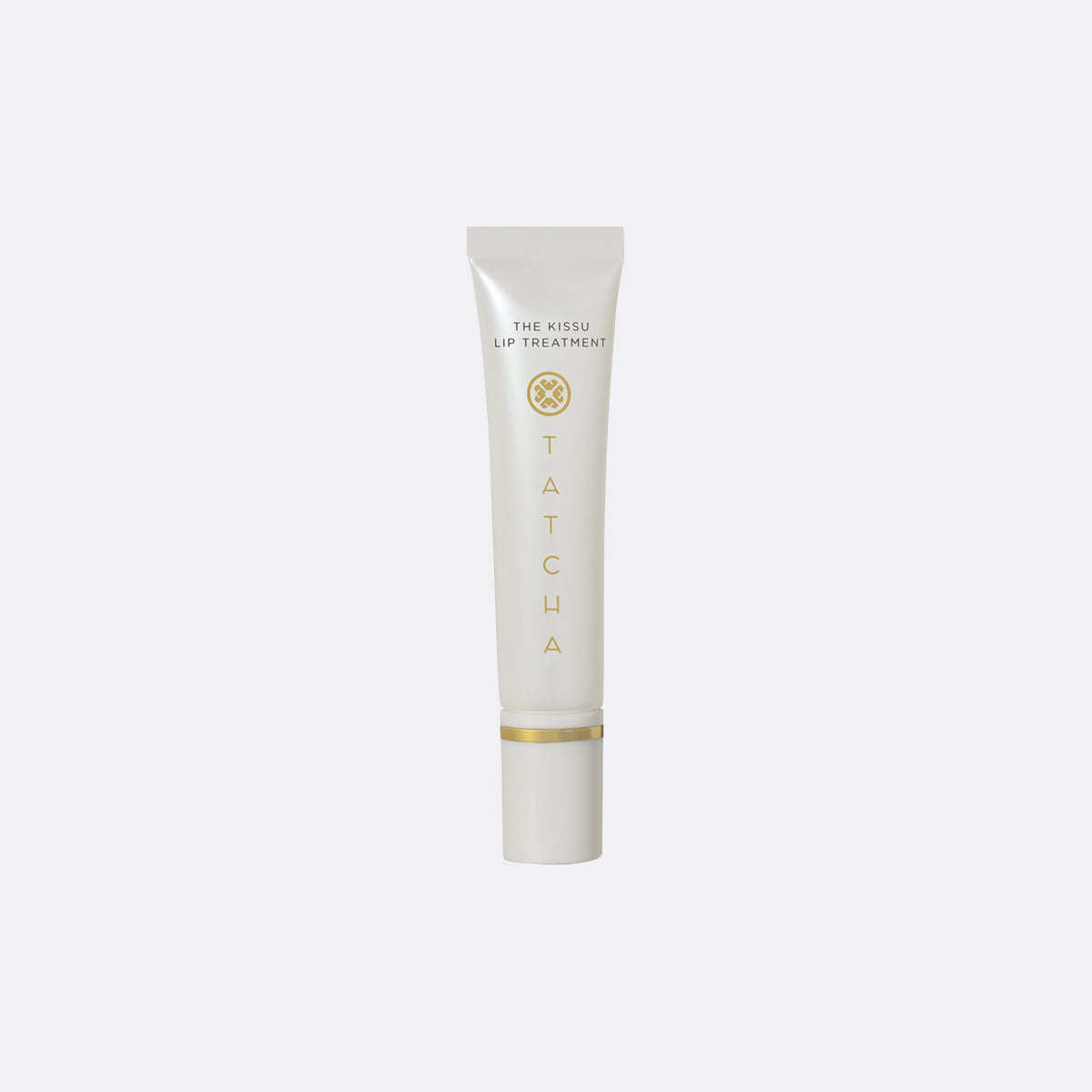
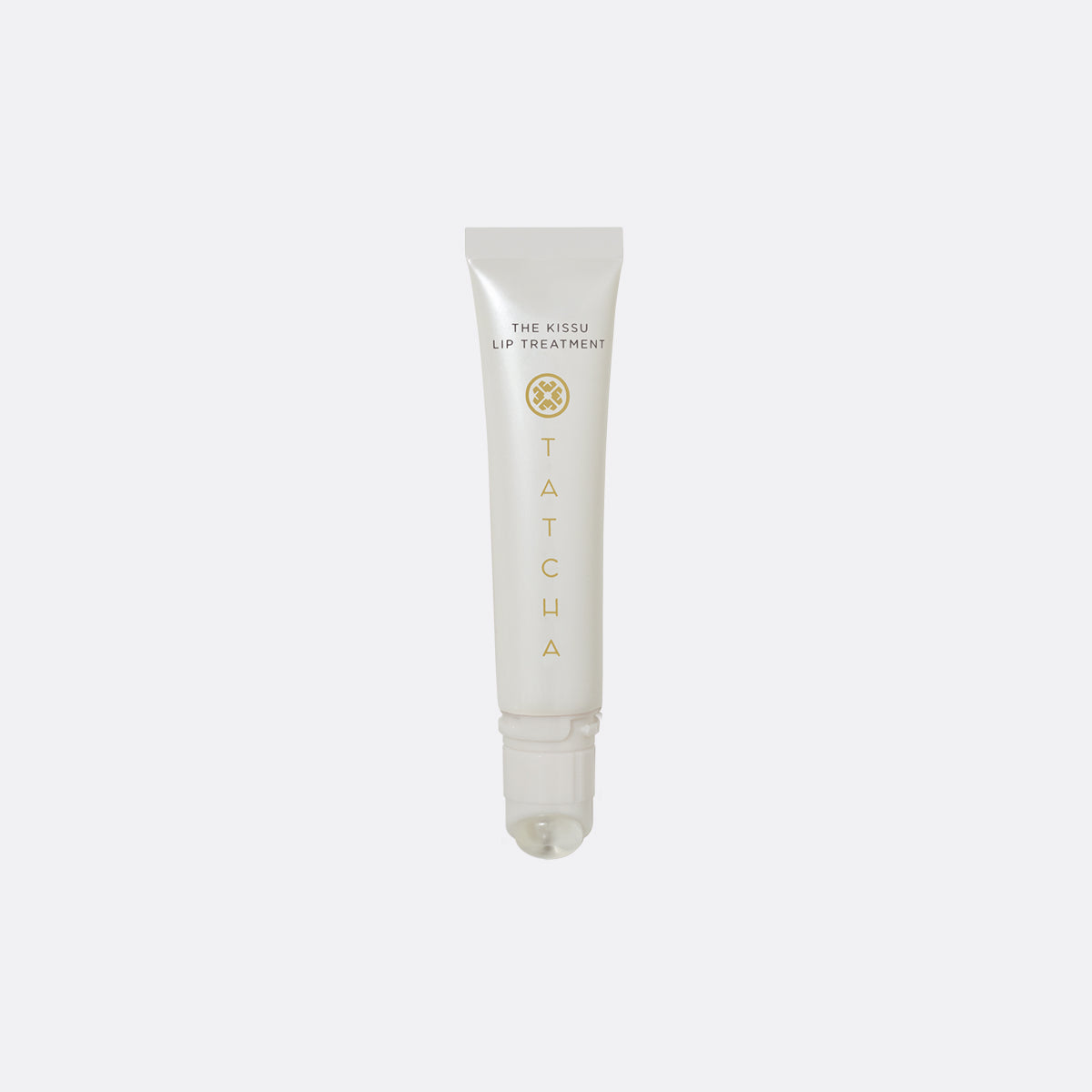
An intensive lip serum can provide potent, targeted care that goes beyond a balm to address specific concerns. The Kissu Lip Treatment gives lips new life, restoring lost lip color and definition with sea kelp (wakame) over time. In clinical tests, 92% of panelists showed an improvement in lip color after 2 weeks of use.*The same number of people also agreed their lips looked more defined.*
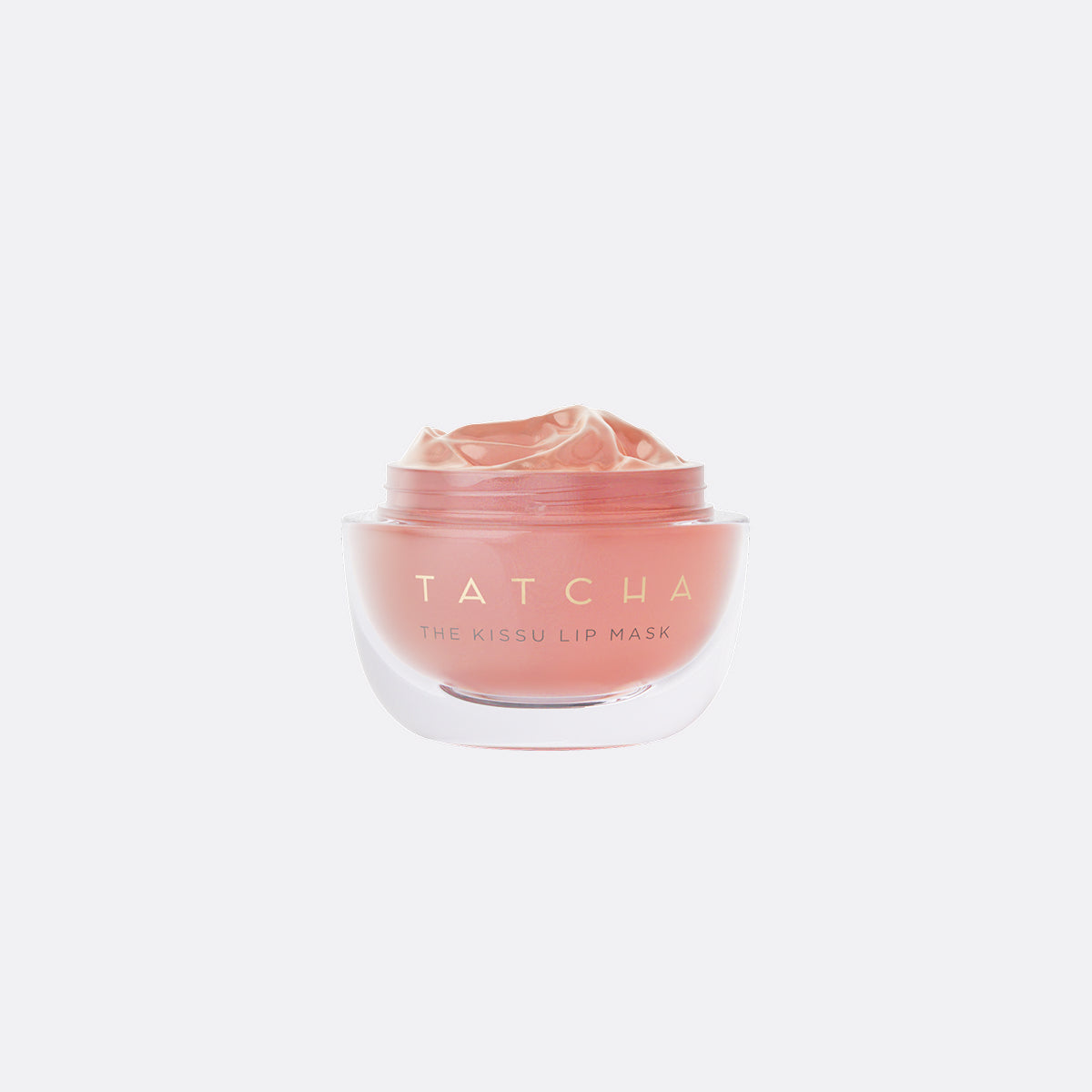
A decadent lip mask can help skin regenerate by forming a protective moisture barrier over top that “seals” in and helps lips retain necessary hydration. The Kissu Jelly Lip Mask, a cult-favorite lip moisturizer, uses a form of squalane that mimics some of the components that make up the skin barrier and instantly absorbs into lip skin. It also utilizes a juicy peach extract that has been used in Japan for centuries to repair damaged lips.
Lips can also become paler due to a build-up of dead skin, and using a lip exfoliant is a good way to keep lips clear and bright. Dull lips are no match for the Kissu Lip Scrub, which suspends a konjac scrub in an oil-based moisturizer. If lips are looking suddenly lackluster, try a lip scrub, and see if you don’t like the results.
Makeup to restore lip color
What’s the best way to restore your natural lip color? Using a nude lipstick, of course. There are thousands of nude shades to choose from, each with different overtones and undertones and consistencies and ingredients. All you have to do is find the right one, and your natural lip color is restored!
…If only it were that easy. Of course, many makeup products can “restore” natural lip color by painting over lips. But what about choosing a makeup product containing active ingredients that actually benefit lip skin on the cellular level? In this light, it’s possible to choose a product that not only lends a little color to lips, but helps restore them to fullness of shape and color in the long run.
The Kissu Lip Tint was created to span this hybrid category of lip skincare-and-makeup. Not only does it dispense a hint of color—in a wardrobe of wearable shades—but it’s also dosed with ingredients that moisturize lips, like botanical lanolin and silk protein. Most importantly, it’s made with SPF 25 UV filters that protect delicate lip skin from the degenerative effects of UV overexposure. The only way to prevent photoaging is sunscreen; if you don’t apply SPF to lips, but are worried about the symptoms of skin aging, it may be a good idea to incorporate lip sunscreen into your routine. And what better way, than a highly wearable lip tint?
A trick to restoring lip color
Here’s a tip from behind the scenes: When makeup artists are looking to match models to their best natural lip colors, they rub them with a slightly abrasive surface, like a lip scrub or a towel. Then the blood vessels expand, and the natural color shines through. You can imitate this trick at home by learning how to exfoliate your lips in a healthy way.
It’s a short-term solution, but a useful one. Increasing blood flow to the lips will help restore natural lip color. You can do this over time by practicing good skincare, including exfoliating and moisturizing lips regularly. But in a pinch, just massage your lips, and watch them flush. And take note, in case you need to match the shade.
*based on a clinical study of 40 panelists