








T-House

The Best Makeup for Sensitive Skin
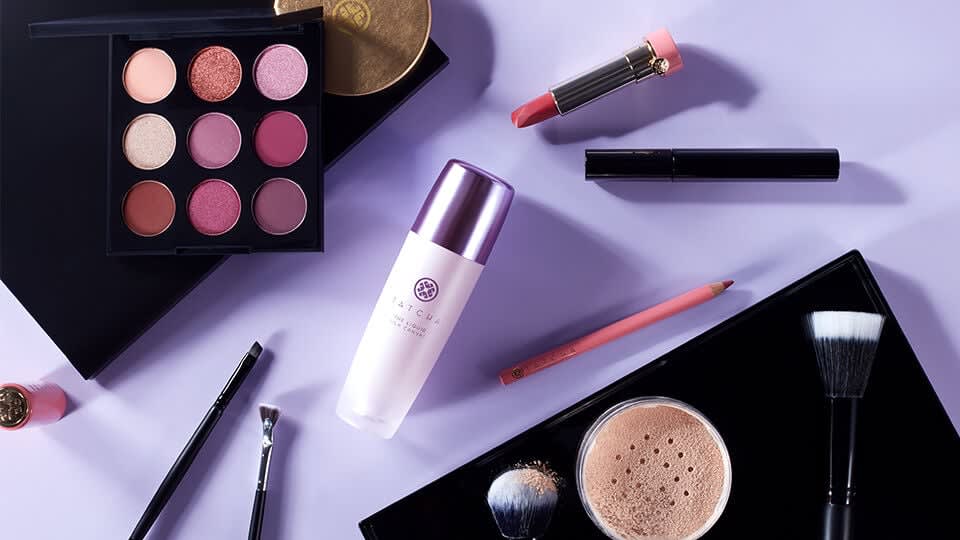
Did you know your makeup routine could be contributing to irritation and inflammation? If you have sensitive skin, follow these tips, terms, and products for a soothed and calmed complexion. Do you consider your skin sensitive? You’re not alone—in a 2019 clinical report, 60 percent of women reported having sensitive skin. Experiencing skin sensitivity can be frustrating, especially finding a daily skincare ritual that doesn’t irritate your skin. But did you know your makeup routine should also be sensitive skin-friendly? Keep reading to uncover the reason you should be using makeup designed for sensitive skin, ingredients to avoid, and the best tips to keep discomfort at bay. Sensitive Skin-Approved Makeup Terms While few phrases are regulated, it’s helpful to be on the lookout for a handful of terms. Hypoallergenic You’ll see the word “hypoallergenic” frequently on makeup geared toward sensitive skin. While the term isn’t regulated by the Food and Drug Administration (FDA), it is a good starting point. It’s not a guarantee that the formula is safe for sensitive skin, but it likely doesn’t include common irritants, like fragrances, dyes, and alcohol. Many traditional formulas are packed with these irritating ingredients that can cause painful flare-ups or unpleasant sensations or reactiveness, like redness, itching, discomfort, burning, and swelling for sensitive skin. Dermatologist Tested Another term to seek out on makeup packaging is dermatologist tested, which (just like hypoallergenic) is not a regulated term, but means it’s been tested by a dermatologist for tolerance and possible irritation. Ophthalmologist Tested For products that surround the eyes, like eyeliner, mascara, and eyeshadow, ensure that the packaging specifies it’s ophthalmologist tested. This classification means it has been tested and approved by a professional eye doctor. Fragrance Free Lastly, fragrance free is another tag that’s helpful for sensitive skin. Fragrances are one of the most common irritants so a product that proudly states it’s free from fragrances is a great starting point. Sensitive Skin Makeup Safety Tips The first tip for discovering the best makeup for sensitive skin is choosing products that are specifically formulated with sensitivity in mind. But there are a few other things to keep in mind when preparing sensitive skin for makeup. Start Clean Those with sensitive skin have to take additional precautions when it comes to makeup application. It’s always a good idea to start with clean skin, clean hands, and clean makeup brushes. The American Association of Dermatology (AAD) says dirty makeup brushes are a breeding ground for bacteria, which cause acne, rashes, and even fungal infections in extreme cases. They recommend washing brushes every seven to 10 days. Also, ensure makeup products are not expired. Additionally, makeup is ideally applied over SPF (bonus points if you apply a primer for sensitive skin after SPF and before makeup, too), which should be used every day. Remove Safely Sometimes the most irritating aspect of makeup is the removal process. Look for makeup removers that are formulated with gentle ingredients. Or opt for an oil cleanser, which can be a more gentle process, as part of a double cleanse. The AAD recommends washing your face with a gentle cleanser after makeup removal, so a double cleanse is not only effective but also dermatologist-approved. Reassess If acne or tiny bumps (which the AAD notes could be acne cosmetica caused by certain ingredients or formulations in cosmetics) it’s worth reassessing your makeup and considering which products could be irritating. The AAD says certain makeup products, particularly foundations and concealers, can worsen acne or cause new breakouts with sensitive skin. Consider testing out a fragrance-free, oil-free, and even mineral formula. They advise to look out for labels that say "oil-free," "won't clog pores," or "non-comedogenic." Best Makeup for Sensitive Skin Makeup primers are not only helpful to keep makeup in place, but they can also act as a shield between your delicate skin and irritating makeup. Here are a few makeup essentials that leave skin smooth, protected, and primed for your next steps. Best Makeup Primer for Oily, Sensitive Skin Try: The Silk Canvas A makeup primer can be endlessly beneficial for oily skin, while also helping to shield sensitive skin from pollutants and allowing makeup to apply better and last longer. The Silk Canvas is a rich balm with a velvety soft feel on skin and if you love richer, creamier textures, the original Silk Canvas is the one for you. Best Makeup Primer for Dry, Sensitive Skin Try: The Liquid Silk Canvas This fluid formula feels weightless on the skin, while also creating a skin-benefiting barrier on the skin. The inclusion of silk powder helps to minimize excessive shine, too. The oil-free formula is the best primer for dry and combination skin, too. Best Setting Powder for Sensitive Skin Try: The Silk Powder This talc-free, protective setting powder helps makeup last longer, blurs pores, cocoons skin against blue light and pollution, and provides a translucent, soft-radiant finish. The powder has been clinically shown to help makeup last eight hours, while also helping to instantly improve the appearance of pores, fine lines, and texture. While it might take extra steps and time to perfect your ideal, sensitive-skin friendly makeup routine, it’s worth the effort to ensure you’re putting the ‘care’ back into your ‘skincare’ and makeup ritual.
How to Choose the Right Moisturizer for Your Face
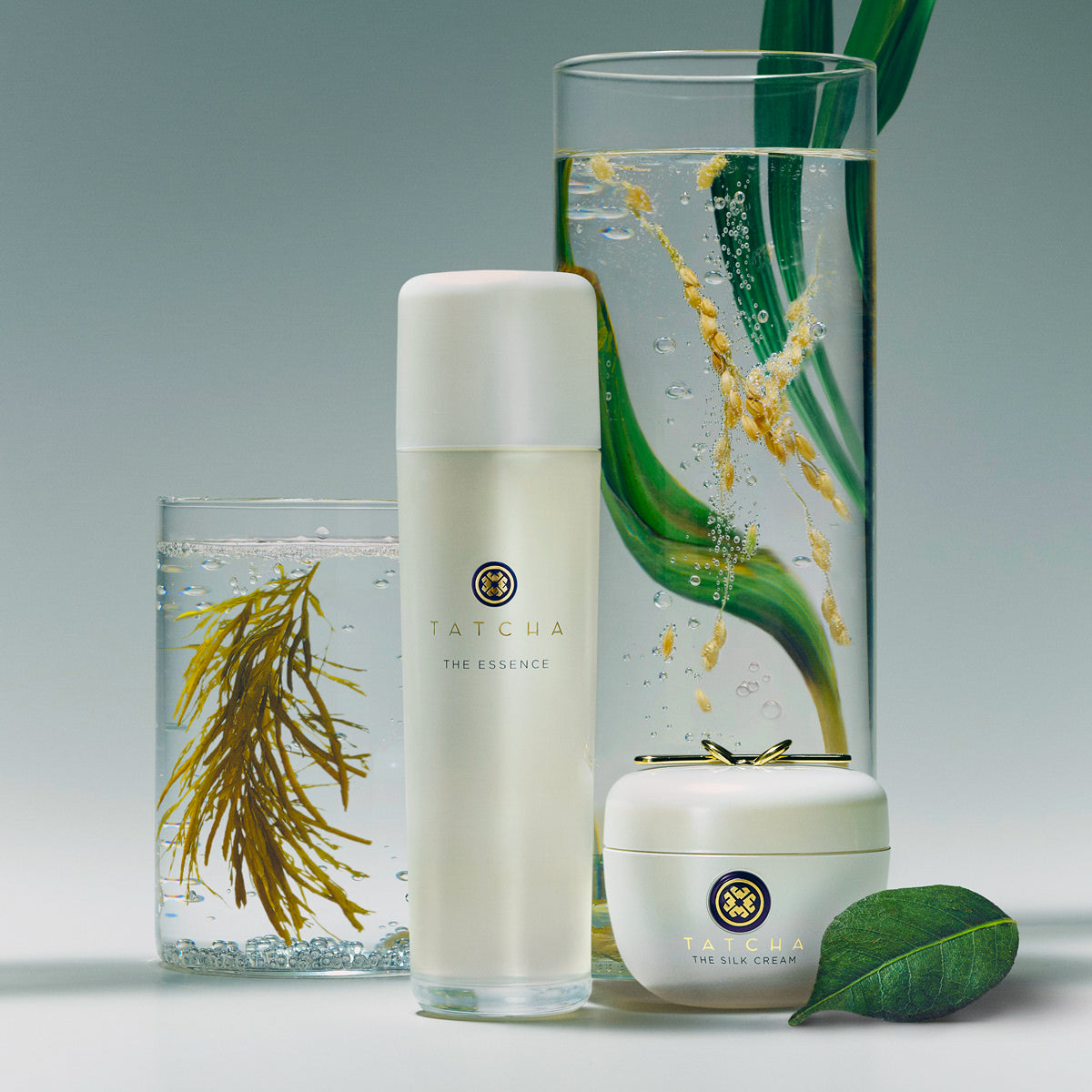
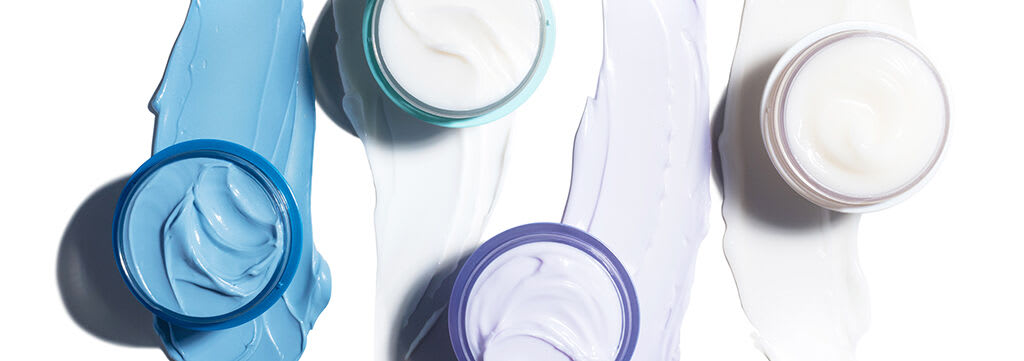
Moisturizer is essential for every skin type—even for those with oily skin. Finding the right one can feel overwhelming, but we're here to guide you. Discover how to choose the best formula and ingredients for your skin type. First, Determine Your Skin Type Every person’s skin is unique, but there are a few common skin types that may help you to identify where your skin fits in the most. The three main skin types are known as Oily, Combination, and Dry. You can also have a few additional skin concerns or focuses, like Mature or Sensitive skin. Knowing your skin type will help you determine your perfect moisturizer. The Bare-Faced Method The bare-faced method is the easiest way to determine your skin type at home. First, cleanse your face with a mild cleanser and gently pat dry. Leave skin bare (and do not apply any additional moisturizers, serums, or treatments). After 30 minutes, examine your cheeks, chin, nose, and forehead for any shine. After another 30 minutes, evaluate whether your skin feels parched, especially if you smile or make any other facial expressions. If your skin feels tight, your skin is likely dry. See a noticeable shine on your nose and forehead? Your skin is most likely combination. Or, if there is shine on your cheeks, forehead, and nose, you most likely have oily skin. What Face Moisturizer Ingredients Are Right For Me? Now that you’ve narrowed down your skin type, here are a few ingredients to look out for when it comes to choosing the right moisturizer. Humectants Every single skin type will drink up these hydration superstars. They attract water, helping to draw in hydration and lock it in place. The most commonly used are hyaluronic acid, glycerin, and niacinamide. They’re cornerstones of many moisturizers, known for their ability to soothe, hydrate, and plump skin. Because they’re known for their lightweight feel, they’re ideal for any skin type. Emollients Rich emollients smooth and soften skin, helping to prevent water loss. They’re often seen in moisturizers as squalane, camellia oil, and ceramides. These ingredients impart a silky, radiant look and feel, ideal for dry skin, as well as mature skin that’s seeking repairative protection. Antioxidants Antioxidants work by protecting and healing skin from environmental factors, and can even prevent skin from future damage. The most common antioxidants are Vitamin C, Vitamin E, and green tea. Each has their own specific, free radical-fighting benefits. They’re ideal for each and every skin type. When Do I Apply A Moisturizer? You’ve narrowed down your skin type, as well as the best moisturizer ingredients for you. But it’s all moot if you aren’t applying your hydrator correctly. Morning and night, after cleansing, toning, and applying a serum (if you partake), use a pearl-size amount of moisturizer and place it onto your palm. Apply a dot to each cheek, your chin, and your forehead. Then, using your (clean!) fingertips, massage gently in upward and outward strokes. The Best Moisturizer For Combination Skin If you tend to have both dry and oily sections on your face, you probably have combination skin. Your ideal moisturizer is most likely a gel cream. You want a boost of hydration, but not too thick of a cream to alter your natural moisture reserve. A gel moisturizer is a happy medium between light-as-air texture and soothing hydration. Combination Skin Should Try: The Silk Cream is perfect for almost any skin type (and combo skin will love it!), thanks to a trinity of fermented Japanese superfoods, which restores healthy-looking radiance. The visibly firming moisturizer also has a complete liquid silk protein, which parallels the amino acid structure of human skin to super hydrate your skin’s surface. The Best Moisturizer For Dry Skin Those that have dry skin need extra emollients, ceramides, and peptides that soften the skin’s surface and drench it with hydration. Dry skin loves pampering, so restore it with hydrating moisturizers, rich masks, and beauty oils. Especially dry? Try massaging in a cream moisturizer and then sealing in the juicy hydration by layering a face oil on top. Dry Skin Should Try: The Dewy Skin Cream is the best moisturizer for dry skin. The rich, moisturizing cream plumps skin for a dewy, healthy glow – thanks to antioxidant-packed Japanese purple rice, Okinawa Algae, hyaluronic acid, and our superpowered Hadasei-3™ Complex (a trinity of Japanese superfoods that restore healthy radiance). The rich texture increases hydration, radiance, plumpness, and overall texture and firmness. The Best Moisturizer For Sensitive Skin If you have sensitive skin, you may still have oily, dry, or balanced skin, but it reacts to new products or environments—and eczema, dermatitis, and hives may even occur regularly. It’s best to avoid synthetic fragrances and aggressive treatments, and your ideal moisturizer is most definitely fragrance-free and hypoallergenic. Sensitive Skin Should Try: Indigo Calming Cream has a fresh, newly updated formula. The fragrance-free cream has been proven to calm visible irritation and relieve itchy skin, thanks to Japanese indigo and colloidal oatmeal (an FDA-designated skin protectant). What sets this innovative cream apart from others is the addition of colloidal oatmeal, which has helped earn it the coveted National Eczema Association seal of approval for its ability to soothe irritated, eczema-prone skin on the face and beyond. Whether as a face cream or spot treatment, The Indigo Calming Cream offers a luxurious way to heal visibly stressed or eczema-prone skin for a calmer, stronger skin barrier. 100 percent of panelists in a clinical study saw an improvement in softness and suppleness immediately, an improvement in the appearance of the skin barrier after one week, and an improvement in visible redness and evenness of skin tone after four weeks. The emotional benefits of using the new Indigo Calming Cream are worth noting, too. In a clinical study self-assessment questionnaire, 86 percent of panelists noted that the product left them feeling like their skin was healthier after just one week. The Best Moisturizer For Oily Skin Those with oily skin tend to shy away from face moisturizers because they can feel greasy or have used a hydrator in the past that led to clogged pores. But finding a lightweight moisturizer that balances oil can make skin not only feel better, but also look healthier. Oily Skin Should Try: The Water Cream is pore-reducing, balancing, and lightweight‚ making it great for those with oily skin. The clarifying water cream releases a burst of hydrating nutrients and pore-refining botanicals for healthy, balanced skin. The unique formula delivers deep hydration, without leaving skin sticky or greasy, too. And the cream employs a few powerful Japanese botanicals, including Japanese wild rose (for tightening pores and smoothing texture) and Japanese leopard lily (to control excess oil and clarify skin). It also has the trademarked Hadasei-3 to restore skin’s radiance. The Best Moisturizer For Mature Skin A nourishing and intensely hydrating cream can help boost healthy aging. Look for rich creams that revitalize very dry skin, as well as options packed with antioxidants and ceramides to protect from free radicals, support the skin’s barrier, and nourish. Mature Skin Should Try: The Indigo Overnight Repair Serum is a cushiony cream that visibly calms irritation, strengthens the skin’s barrier, and balances the skin’s natural microbiome. Even after just a single night of use, the treatment has been shown to improve skin’s radiance, softness, and suppleness, as well as improve texture and tone. It’s ideal for mature skin, but has been shown to strengthen and hydrate any skin type, too.

How to Repair Your Skin Barrier
The skin barrier is a trending topic and for good reason: A damaged skin barrier can lead to damaged skin. But fortunately restoring the skin barrier is pretty simple. Keep reading for tips on what your skin barrier is and how to repair it. Skin barrier repair is one of the biggest trends of the last few years. And while we don’t believe in trends or fads at Tatcha—we’re advocates for timeless beauty—this buzzy topic is worthwhile. After all, a healthy skin barrier is the key to healthy-looking skin. But what is the skin barrier and how do you know if it’s damaged? Read on for everything you need to know about the skin barrier and how to repair it.What Is A Skin Barrier?The skin barrier is basically just your outer layer of the skin, reports the Cleveland Clinic. It’s composed of dead cells, lipids, proteins, and fats—all of which help to protect skin from the environment, adds the Clinic. The skin barrier’s main job is to act like armor, keeping harmful things (like chemicals, allergies, and bacteria) away from the delicate skin beneath the surface, while also maintaining the skin’s hydration levels. Basically: It keeps the good stuff in and the bad stuff out.Why is this important? According to a 2018 study, the skin barrier is “important to human life” due to its vital tasks of protection (from external threats and water loss internally). The study added that the “importance of skin barrier cannot be overemphasized.” Quite literally, a healthy barrier equates to healthy skin.How To Know If Your Skin Barrier Is DamagedNow that we know how crucial the skin barrier is, how do you know if your barrier is damaged or healthy? If you’re experiencing some sort of issue with your skin, your skin barrier has likely sustained some damage, says the Cleveland Clinic. This could show up in a variety of ways, notes a 2016 study. Symptoms include acne, burning or stinging, itchiness, inflammation, hyperpigmentation, irritation, dryness, scaly/flaky/rough skin, or general tenderness/sensitivity.What Damages the Skin Barrier?From chronic skin conditions to pollution to aggressive cleansing, here are a few things that can damage the barrier.Skin Conditions These are common and perfectly normal, but several underlying skin conditions are linked with a poor skin barrier. That includes atopic dermatitis (also known as eczema), psoriasis, rosacea, and adult acne. Consult with a board-certified dermatologist for tips to manage these conditions.External FactorsSometimes everyday environmental factors can subtly damage the barrier, notes a 2016 study. That includes pollution, wind, extreme temperatures, and UV radiation. Everyday occurrences and choices can alter our barriers, too. Like, smoking, lack of sleep, stress, and poor diets.Skincare ChoicesSkincare can help repair the barrier, but it can also play a big role in damaging it, thanks to endless products, intense formulas, and complicated regimes. Even with the best of intentions, a damaged skin barrier can easily occur. Frequent washing (especially with harsh cleansers that strip the barrier), overuse of exfoliating acids, harsh physical exfoliants, and a non-effective moisturizer can all contribute to the breakdown of the barrier.How To Repair the Skin BarrierExperiencing a damaged skin barrier is incredibly common, but don’t worry, there are scientifically proven tips and strategies that can help repair the skin barrier effectively and efficiently. But it can take weeks – or even months – to repair damaged skin, so stick with it.Simplify Your Skincare RitualWhen in doubt, keep it simple—and gentle. Pare down your daily routine to just the basics, ideally a calming cleanser, repairing and soothing moisturizer, and an effective SPF.Keep Your Cleanser GentleWe just mentioned it, but it’s worth repeating: utilize a gentle cleanser. Cleansing is vital for the health of the skin, but harsh formulas can strip the barrier’s oil, leading to more damage. The Cleveland Clinic suggests cleansing with warm – not hot – water. Hot water strips the natural oils, too. Read about the best skin barrier repair products here.Hydrate ThoughtfullyNot all moisturizers are created equally when it comes to barrier repair. Consider a moisturizer rich in ceramides, lipids, and fatty acids (all of which are already present in the barrier). This is because it’s been scientifically shown that hydration is significantly increased when a moisturizer’s formulation mimics the skin’s natural barrier, helping to replace nutrients lost throughout the day. It’s also helpful if the moisturizer includes humectants and emollients, which address hydration levels.Always Use SPFWe know sun exposure is dangerous, but it’s also harmful to the barrier. Ensure that you’re always prioritizing UV protection with a broad-spectrum sunscreen every day.A Healthy LifeSleep, a balanced diet, low levels of stress, and drinking plenty of water—the basics of a healthy life also are necessary for a healthy barrier. Healthy-looking skin takes time, so be patient with yourself—and your skin, too.

Facts About Vitamin C
Deciding to introduce a new treatment into your skincare ritual is a major step. It can even feel like your skin’s future hangs in the balance. ‘Will this finally be the “holy grail” product for me?’ ‘What if I have an adverse reaction?’ ‘How do I know that this treatment is the right one for me?’ One of the products these questions ring truest is Vitamin C. While it can be ‘life-changing’ for some, there are a lot of important questions to ask before implementing the famed antioxidant into your daily routine. Below we dive into the most vital facts about Vitamin C and how to successfully adopt the product into your ritual. What Vitamin C Does For Your Skin Few skincare ingredients have been as scientifically studied as Vitamin C. After decades of clinical testing, we can confidently say Vitamin C does a lot for your skin. It has been shown to improve the appearance of fine lines and wrinkles, positively impact the texture and tone of skin, and even increase skin’s collagen production. The antioxidant is also famed for its ability to reduce the appearance of dark spots, notes one clinical trial, as well as minimize the look of acne marks, also known as post-inflammatory hyperpigmentation. Not only that, but Vitamin C has shown promising results in reducing acne, thanks to the antioxidant’s natural anti-inflammatory properties. Types of Vitamin C There are dozens of derivatives of Vitamin C, each with its own unique properties and pros and cons. For example, L-ascorbic acid is the most biologically active and well-studied, notes one clinical study, but it’s also incredibly unstable and is known to penetrate poorly into the skin without molecular modification or being paired with stabilizing ingredients. At Tatcha, we utilize two forms of Vitamin C, glyceryl ascorbate and tetrahexyldecyl ascorbate, in our formulas. Both are known for their incredibly stable and fast-acting, effective results. Vitamin C’s ‘Infamous’ Reputation Vitamin C degrades quickly, making it incredibly challenging to stabilize. It also easily oxidizes in sunlight or when exposed to air, which makes it difficult to formulate and package. Plus, other ingredients can destabilize it when used in the same formula if they’re not carefully paired. This is why it can take a tremendous amount of time and care to perfect a Vitamin C formula. Vitamin C Percentages Matter According to the Cleveland Clinic, look for a Vitamin C product that is in the 10 to 20 percent range. Under 10 percent won’t convey the benefits you’re looking for and anything higher than 20 percent risks irritating your skin, notes the Clinic. While a 20 percent formula is likely to work quicker and more effectively on the skin than a lesser percentage, you should seek out the highest percentage that’s best for your skin—ensuring the product doesn’t irritate. Vitamin C’s ‘Metallic’ Scent One question that we are asked frequently about Vitamin C, and specifically our Violet-C Brightening Serum and Violet-C Radiance Mask, is whether they will take on the vague metal or “hot dog smell” that some Vitamin C products on the market produce. Our answer is no, and that’s because this scent typically comes as the result of oxidation and instability—even if masked with a perfumed citrus scent, oftentimes unstable or oxidized Vitamin C treatments will have a lingering metallic scent that can smell quite distinct. The Tatcha Institute worked for years to perfect our formula to achieve optimum stability. Our Vitamin C formulation is truly stable and doesn’t have any fragrance—let alone metal or hot dog notes. Vitamin C’s Pilling Problem No, your Vitamin C isn’t meant to pill under products. A pilling effect typically has more to do with the base of the formula you’re using—emulsifiers and oils used to create the treatment—than the ingredient itself. Or perhaps the pilling comes from the products underneath the Vitamin C product. Nothing active in Vitamin C should create a pilling effect. Vitamin C and Pore Size Pore size is mostly a result of genetics, so you cannot permanently shrink them, notes the Cleveland Clinic. However, you can minimize their appearance by keeping them clear of oil and debris and boosting your skin’s collagen and elastin, they add. Which is where Vitamin C helps. The antioxidant can’t shrink pores, but it can increase collagen production, which helps decrease pore visibility. Vitamin C Precautions It's a good rule of thumb to spot test a new treatment before introducing it to your ritual. Everybody’s skin is unique and it’s always possible that you might have a personal sensitivity to Vitamin C. We recommend doing a small patch test—try somewhere like the area of your neck near your ear, or on your inner forearm—for a day or two before applying to the face. Personal sensitivities, while relatively uncommon, will usually make themselves known shortly after application. Additionally, follow the product instructions—more is not better when it comes to a potent product like Vitamin C. And, as always, be sure to wear SPF daily and reapply often.

The Best Skincare Ingredients for Sensitive Skin
Sensitive skin affects many different faces in different ways. But the one thing dermatologists, researchers, and other experts can agree on: These natural ingredients can help keep skin under control. For some, skin is a predictable thing. Like the sunshine in Southern California—most days are clear. For others, skin can be surprisingly volatile, like the weather on Jupiter. The slightest tweak in circumstances can unleash a fire tornado across the land. There is a simple term for this quality: Sensitive skin.Some people are free to slather on new creams or test out new skin technologies without worry. Those with sensitive skin may not. And this group is larger than you might think. A 2019 report that looked at about 20 surveys, conducted all over the world between 2001 and 2017, found that 60-70% of women and about 50-60% of men reported having sensitive skin. To have sensitive skin is to be constantly engaged in a feedback loop with your skin that can begin to feel tedious: Will I regret using this hotel face wash? Can I wear this beautiful necklace my friend has just given me? Should I go outside today?Generally, sensitivity is characterized by frequent reactions to things like new beauty products or materials being applied to the skin. In 2017, a team of researchers published a definition of sensitive skin in a peer-reviewed dermatology journal: “A syndrome defined by the occurrence of unpleasant sensations (stinging, burning, pain, pruritus, and tingling sensations) in response to stimuli that normally should not provoke such sensations.” According to them, sensitive skin can happen anywhere, but refers especially to the skin on the face—often the target of our skin care attentions. Fortunately, there are plenty of helpful formulas and ingredients for sensitive skin types. Do I have sensitive skin?If you have to ask, the answer might be no. Sensitive skin is hard to diagnose on its own, which is why you should consult your dermatologist if you have questions about your skin type. But there are a few general questions you might ask yourself if you are wondering about your skin’s sensitivity.Does my skin react to things? It happens to everybody: Once in a while, we try a product our skin doesn’t love. But if this feels like it happens to you more often than not, your skin might be highly reactive—a common trait of sensitive skin.Am I usually red, or dry, or both? Maybe you wake up every morning with clear, dewy skin that goes bright red as soon as you wash your face, or maybe you notice dryness to be a recurring theme to your skin. In either case, it could be a hint that your skin needs something it’s lacking—or needs a break from something you’re using.Do I get frequent rashes or breakouts? Inflammation beneath the skin’s surface that expresses itself in acne, rashes, or both could indicate a general sensitivity.Do I burn more than I tan? It’s not only reactivity to products that categorizes sensitive skin, but also reactivity to the environment—sun, water, and the air around us. Why is my skin so sensitive? It’s important to acknowledge that, unlike acne or eczema, “sensitive skin” is not a clinical diagnosis. Instead, as a dermatologist explained to Self, it’s used to refer to skin that is generally reactive. There are a few reasons why someone’s skin might be more reactive than another’s.Demographics and genetics. As revealed by many surveys of those with sensitive skin, certain factors, like the climate or population density of where you live, can affect the reactivity of your skin. (One article found that low temperature and humidity, as well as pollution, “favor the manifestation of sensitive skin.”) A 2020 study by Proctor and Gamble, conducted in partnership with 23andMe, also found associations between sensitive skin and certain genome expressions, prompting dermatologists to look at family lineages when treating sensitive skin.Cosmetic overload. In many cases, skin can become sensitive due to product overuse. Dermatologists stress the difference between sensitive skin, which is an inherent quality—like oily, dry, or combination—and sensitized skin, which is skin that becomes sensitive due to a particular allergen or irritant. Always pay attention to the ingredients you use, and take immediate note if you notice a negative response in your skin. What can I do for my sensitive skin?Many ingredients for sensitive skin have been discovered that are gentle on all skin types—and provide other benefits, like antioxidant protection or barrier support. Read on to discover some of the best skincare ingredients for sensitive skin.Algae. For centuries, the ocean plant has been used for everything from food to shelter. Recent applications in cosmetic chemistry have shown that many forms of algae have powerful anti-inflammatory benefits. (One headline touts the “genius” of algae when applied to sensitive skin.) Red algae from Okinawa is included in Tatcha’s proprietary Hadasei-3TM complex for its ability to gently encourage skin renewal.Colloidal oatmeal. Made with a finely-milled meal from the Avena Sativa, or common oat, plant. Colloidal oatmeal is famously soothing—with recognition from the National Eczema Association—and its unique composition lends anti-inflammatory, antioxidant, antipruritic, and antifungal benefits.Camellia oil. The oil derived from camellia flowers has more naturally occurring antioxidants than any other botanical oil, and its efficacy as a makeup remover has been a closely kept beauty secret among geisha for centuries; the featherweight tsubaki camellia oil rinses skin clean of makeup without stripping away moisture. This beauty ritual inspired The Camellia Cleansing Oil, which surrounds tsubaki with nourishing essential fatty acids. Green tea leaf extract. Alternatively known as camellia sinensis and “liquid jade,” green tea contains a high amount of enzymes, amino acids, and phytochemicals like polyphenols. It also flushes toxins from the body, aids in the healing of scars and blemishes, and firms and tones the skin.Hyaluronic acid. Also known as sodium hyaluronate, this substance is naturally found in the fluids surrounding cells and tissues. It’s a no-brainer skincare ingredient: Few other ingredients can attach and bind moisture as well as hyaluronic acid, which makes it ideal for formulas that promise a dewy finish.Indigo. You may be aware of the indigo applied to dye fabric, but what about the indigo applied to soothe skin? Indigo contains indirubin, a deep-red dynamic compound that inhibits irritation-causing proteins in the body and promotes skin’s healing abilities by restoring and strengthening its barrier function. During Japan’s Edo period, noble Samurai wore a layer of indigo-dyed cotton beneath their armor to help heal injuries; in Japan, the color Indigo is often referred to as “Samurai Blue”. Today, it’s a key ingredient in Tatcha’s sensitive skin collection. The Indigo Cream, a velvety moisturizer formulated especially for reactive faces, pairs indigo with colloidal oatmeal, while The Indigo Cleansing Balm distills the ingredient into a makeup-melting cleanser—removing makeup and calming skin in a single step. Loquat leaf. A medicinal plant known as “healing fans.” A popular beauty ingredient in Japan, it’s used in many at-home remedies for dry or irritated skin.Rosehip oil. This pressed seed oil contains high levels of Vitamins C and A, which help to delay the effects of skin aging and assist with cell regeneration.Squalane. Isolated from olives, this botanical lipid absorbs effortlessly and deeply into the skin to nourish and moisturize skin. It works especially well in Tatcha’s Serum Stick, which is formulated with 80% squalane, hyaluronic acid, and lemon balm to minimize dryness wherever applied. (Lemon balm, or kousui hakka, translates to “caring for others” in the Japanese language of flowers, and has been used for centuries to help calm inflammation.) With a little ingredient know-how, sensitive skin is easy to surmount. For more advice based on your face, read our skin type guide over here.
The Best Japanese Facial Cleansers & Exfoliators
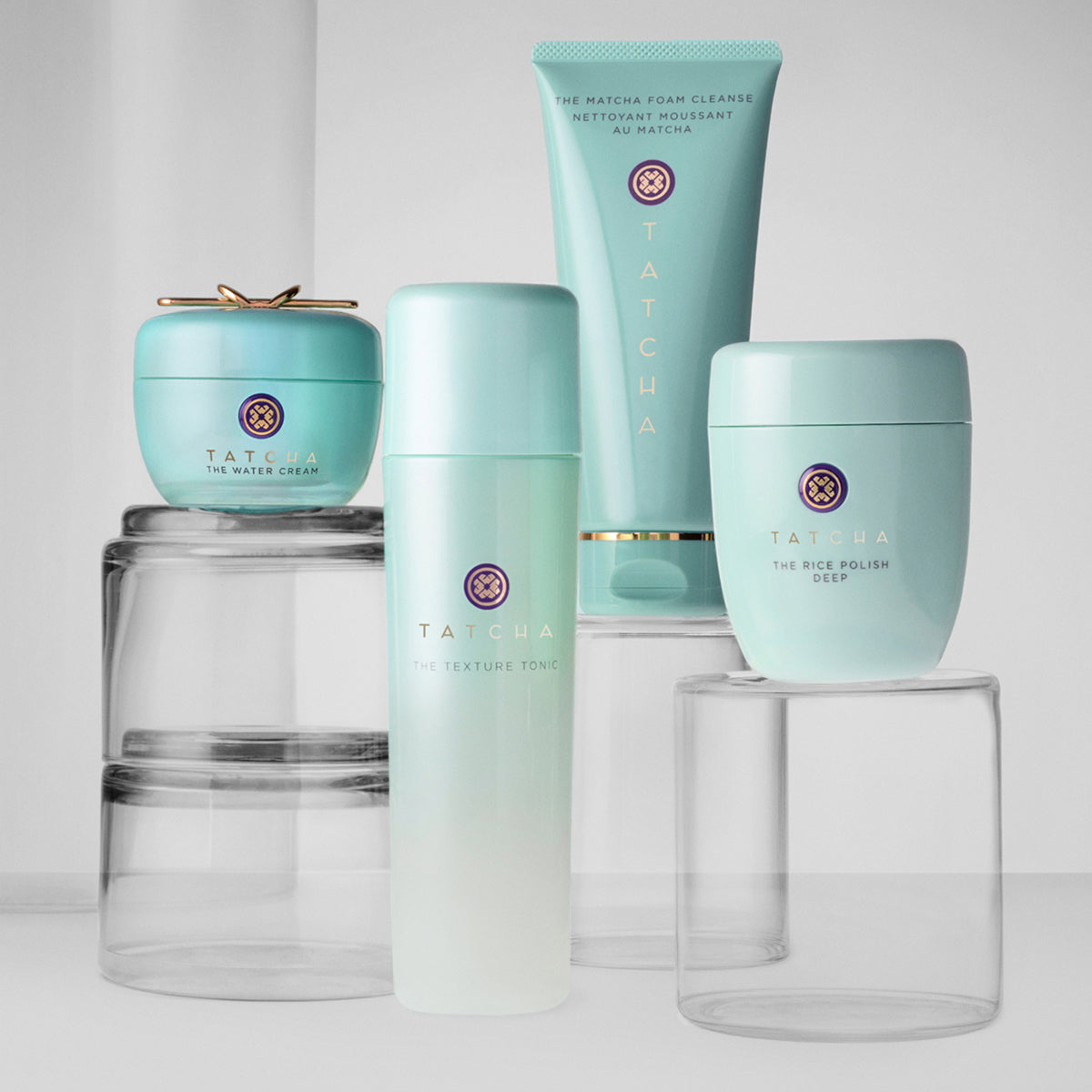
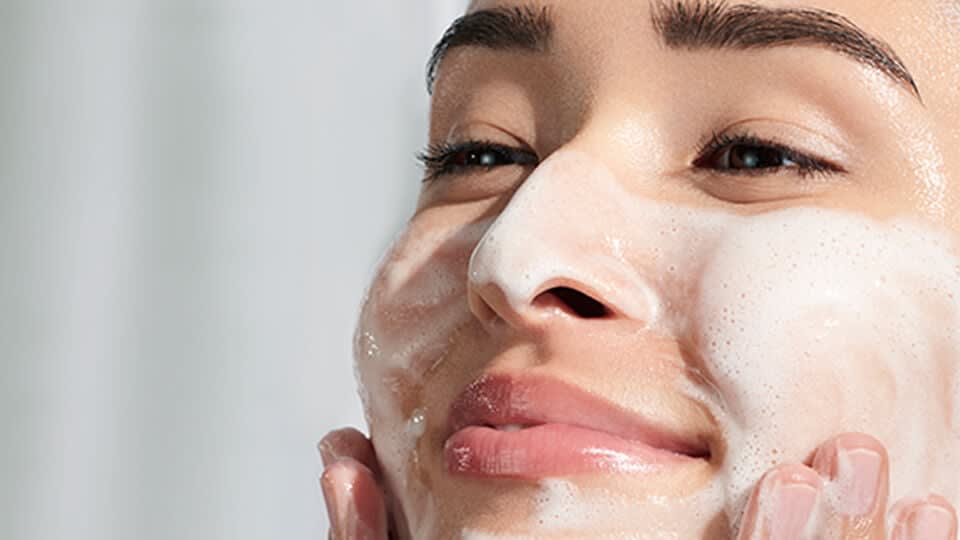
A good cleanse is the foundation on which a skincare routine is built. The same can maybe be said of Japanese beauty culture. Here’s why your skin needs a good cleanser and exfoliator. If one thing is true of skincare, it’s that it is necessary to maintain your skin’s health, according to dermatologists, plastic surgeons, the National Institutes of Health, and everybody else.For example, we know that the surface of our skin accumulates dirt, pollutants, and other build-up during the day, necessitating the use of cleansers and exfoliators. Products like these help enhance the efficacy of the other parts of your skincare routine by preparing the skin for other treatment steps, like serums and moisturizers. Knowing this, it’s hardly an overstatement to say that cleansing and exfoliation constitute some of the most important steps of your skincare routine. To “purify” the skin is, after all, the first and foremost step in Tatcha’s Classic Ritual.But choosing a cleanser or exfoliator can be difficult, given the range of options available. Which is why, when choosing your first-step skincare, it might be worthwhile to look at products and ingredients that hail from Japan, where cleansing is more than just good skincare—it’s good self-care, too. A Cultural TraditionIn Japanese, the verb kiyomeru literally means to purify, but typically refers to an act of spiritual cleansing—before a sumo match, a handful of kiyomeshio, or purifying salt, might be sprinkled around the arena, while at funerals, kiyomeshio was used to deterge evil spirits from the deceased and the ceremony itself. In Japanese culture, even the quotidian act of cleansing has roots in this meaningful Shinto practice.Purification rituals are woven throughout Japanese culture, from everyday activities, like washing your face or cleaning your room, to special occasions, like rinsing your hands before visiting a shrine. It’s an act of care, but also a show of respect—to spirits, to those around you, and, of course, to yourself.If you’ve ever dove into a body of water on a hot afternoon, or taken a long shower after a grueling day of work, you surely understand how the simple act of cleansing can be felt from the skin to the soul. In other words: It’s deeper than skin. Cleansing vs. ExfoliationThere are two methods in which skin is purified, and they work in tandem, a one-two step for a clean, fresh face: Cleansing and exfoliating.Japanese facial cleansers come in many different textures, from creams to oils to lightweight foams, that share common ingredients known as surfactants. These surfactants work at the molecular level to, in part, pull dirt or dead skin or other build-up out of the skin by encasing them in “micelles” and allowing them to be washed away. Other surfactants can soften or soothe skin, or are added as emulsifiers. Surfactants are necessary to make any skin cleansing formula.Exfoliators are distinct from cleansers in the skincare order of operations. Using certain chemical or physical ingredients, like acids or fine powders, exfoliators offer a deeper clean by removing dead skin. Some Japanese facial cleansers are made with exfoliating ingredients, but you should exfoliate less often than you cleanse, according to the American Academy of Dermatology. (The sweet spot is typically about 2–3 times per week.) Those with sensitive skin should be extra cautious about the kinds of exfoliators they use.In fact, understanding your skin’s type and goals should help when deciding on the best Japanese facial cleanser or exfoliator for you.Choose Your CleanAt Tatcha, Japanese beauty rituals not only inspire our philosophy, but our formulas, too. Many of our products incorporate skincare technology derived from Japanese botanicals with clinically proven benefits.CleansersWe’ll start with cleansers, which can be used daily to prepare your skin for the serums and moisturizers that follow. When it comes to products that actually cleanse the skin, as opposed to simply removing makeup—like micellar waters and biodegradable wipes—there are four main types of cleansers. 1. Oils. Lightweight and nourishing, many oils make for great face cleansers for how gently they purify skin. For centuries, geishas used tsubaki, an oil from camellia flowers, to remove their signature white makeup; In the present day, dermatologists love oil cleansers especially for dry skin types, and for the fact that they contain nourishing fatty acids and protective antioxidants. Inspired by this timeless beauty wisdom, the Camellia Cleansing Oil is ultralight, and removes makeup while cleansing the skin in a seamless two-in-one. It’s also formulated for any skin type, and the perfect starter oil for first-timers. 2. Gels. Gel textures have always been popular in face washes. They come from water-based formulas that may (but also may not) lather into a foam when applied to the skin. Gel face washes are sometimes associated with a “squeaky clean” feeling that makes them beloved by those who have oily skin, but some cleansers, like Tatcha’s The Deep Cleanse, are made with gently exfoliating ingredients that benefit all skin types. The Deep Cleanse uses luffa fruit fibers, used by Japanese women for centuries, to help turn over dead cells, while Japanese florals—rose and leopard lily—help balance and calm the skin. 3. Creams. Not just for your moisturizer, creams also serve as hydrating vehicles for skin-cleansing surfactants. Cream cleansers are unfailingly gentle on every skin type. Unlike the foam of a gel cleanser, Tatcha’s cream cleanser, The Rice Wash, emulsifies into a soft lather when applied, and delivers nourishing antioxidants—like Okinawan algae—and hydrators—like hyaluronic acid—directly to the skin. A touch of rice powder leaves skin a little more luminous. 4. Balms. Think of balm as solid oils, because that’s essentially what they are: These luxuriously heavy oil-based formulas are known for melting away makeup, and for leaving skin slick in their wake. It’s perhaps for this reason they’re frequently used by drier skin, but they work on all skin types. Tatcha’s Indigo Cleansing Balm, which is formulated around soothing Japanese indigo extract, works wonders on sensitive skin. ExfoliatorsExfoliators can usually be grouped into two categories, but don’t be deceived by the simplicity: There’s a lot of variety within chemical vs. physical exfoliants. 1. Chemical exfoliants. All exfoliators endeavor to remove dead skin cells, and as the name suggests, chemical exfoliants achieve this by chemical means. The operators in many chemical exfoliants include ingredients like alpha- or beta-hydroxy acids (AHAs and BHAs) or enzymes that gently dissolve the bonds between dead cells and healthy ones. Many products also accompany this main function with other skincare benefits. For one example, in addition to the fruit-derived AHAs found in The Texture Tonic, you can also find Japanese mugwort, a calming ingredient once thought to have sacred cleansing abilities. (Think of it like a spiritual double-cleanse.) 2. Physical exfoliants. Where a chemical exfoliant might employ an alpha-hydroxy acid, a physical exfoliant will use a texture, like a scrub or fine powder, to clear out dead skin. There are some who consider physical exfoliants to be harsh on delicate faces, and there are others who swear by them. The key is to look for ingredients like rice bran that balance gentleness with efficiency. Tatcha’s bestselling Rice Polish: Classic was created with this duality in mind, using finely ground Japanese rice bran as its primary exfoliant. The collection has since expanded into other variations, including The Rice Polish: Gentle and The Rice Polish: Deep, to help more specific skin concerns. All are made with Hadasei-3, Tatcha’s proprietary blend of skin-nourishing Japanese superfoods. All in all: Whether your questions about cleansing are skin deep or even deeper, Japan might be a good place to go looking for answers.

Sensitive vs. Sensitized Skin: What's the Difference?
Sensitive and sensitized skin is often used interchangeably—but they’re vastly different conditions. Having sensitive skin and experiencing sensitization can be confusing, frustrating, and often painful. But knowing which category your skin currently falls under (sensitive vs sensitized skin) will help you to soothe and repair effectively. Keep reading to learn the difference between sensitive and sensitized skin, what causes it, and how to manage it. About Sensitive Skin Sensitive skin is common. So common that some studies estimate that up to 70 percent of women report having sensitive skin. While there is no clinician definition of sensitive skin, it’s most likely characterized by unpleasant sensations or reactiveness, like redness, itching, discomfort, burning, and swelling. Sensitive skin is usually classified as a history of discomfort, likely someone with a genetic predisposition for sensitivity. About Sensitized Skin As the nearly identical name might suggest, sensitive skin and sensitized skin are very similar. But while sensitive skin is a skin type, sensitized skin is a temporary reaction, likely from over-exfoliation, aggressive treatments, environmental stressors, or certain ingredients in skincare products. Products like retinol, harsh exfoliating acids, and overly scented ingredients can trigger the skin barrier, causing sensitized skin. How to Manage Sensitive Skin & Repair Sensitized Skin Soothing and avoiding sensitivity triggers is an important aspect of sensitive skin—and it’s one of the best ways to repair sensitized skin, too. Additionally, finding a skincare ritual that doesn’t cause redness and itching is vital for sensitive skin. For sensitized skin, the ideal skincare regime is quite similar to sensitive skin, with a focus on paring down ingredients that are known irritants. When the barrier is damaged, it’s less likely to protect itself from common ingredients (even ones that haven’t irritated skin before), which is why a sensitive skin-approved regime can be beneficial for sensitized skin. Simplifying the daily skincare routine into a few soothing products can help skin heal faster. Plus, avoid the following common ingredients. Fragrance According to Dermatology Times, fragrances are most likely to cause allergic contact dermatitis and they account for 30 to 45 percent of reactions in cosmetic products. They advise that fragrance-free formulas (or formulas that have minimal added fragrances) are best to avoid reactions, like redness, inflammation, and itching, with sensitive and sensitized skin. Exfoliating Acids If the skin is compromised, it’s best to avoid harsh exfoliating acids, including salicylic acid, lactic acid, glycolic acid, and citric acid. While they’re normally an effective solution for dead skin cell removal, sensitive and sensitized skin can be further irritated (even damaged with extremely aggressive formulas) by exfoliation. Avoid until skin is back to a healthy-looking state. Retinols While retinol is beloved by many dermatologists for its ability to speed up cellular turnover and increase collagen production, it can be far too abrasive for sensitive and sensitized skin in the middle of a flare-up. If you rely on a Vitamin A derivative, wait until skin is healed to continue usage. Best Products for Sensitive & Sensitized Skin If your skin is feeling red, irritated, or uncomfortable, reboot your skincare routine. A weakened skin barrier can make it difficult to find the right skincare, but consider the following gentle products to soothe and repair skin. An Overnight Healing Treatment Try: Indigo Overnight Repair If you’re searching for an overnight treatment, try this healing balm, which visibly calms irritation and strengthens the skin’s barrier. The formula features the soothing powers of Japanese indigo, but also includes red sage root to calm visible irritation, ceramides to boost moisture reserves, and hyaluronic acid to deeply hydrate. In clinical studies, 100 percent of users saw an improvement in their skin barrier strength within four weeks. Snag this gift set, which is great for sensitive and sensitized skin. The kit includes the plumping Essence, the serum-in-moisturizer treatment Indigo Overnight Repair, and the nourishing Indigo Soothing Body Butter in one convenient kit. Not only does it leave skin feeling soft, smooth, and nourished, but the $124-valued set is a steal at $99. A Gentle Cleanser Try: The Indigo Cleansing Balm A calming, nurturing cleanser (that still effectively cleanses) is necessary. We know harsh formulas can strip the barrier’s natural oils, leading to more damage, so a gentle cleanser is a crucial first step in your ‘skin barrier repair’ regime. This is why Tatcha is so excited to introduce you to one of our newest innovations: The Indigo Cleansing Balm. A Soothing Cream Try: The Indigo Calming Cream Transform stressed skin to strengthened skin with the newly updated Indigo Calming Cream. Our beloved fragrance-free cream has been proven to calm visible irritation and relieve itchy skin, thanks to Japanese indigo and colloidal oatmeal (an FDA-designated skin protectant). What sets this innovative cream apart from others (and even the Indigo Overnight Repair) is the addition of colloidal oatmeal, which has helped earn it the coveted National Eczema Association seal of approval for its ability to soothe irritated, eczema-prone skin on the face and beyond. Whether as a face cream or spot treatment, The Indigo Calming Cream offers a luxurious way to heal visibly stressed or eczema-prone skin for a calmer, stronger skin barrier. 100 percent of panelists in a clinical study saw an improvement in softness and suppleness immediately, an improvement in the appearance of the skin barrier after one week, and an improvement in visible redness and evenness of skin tone after four weeks. The emotional benefits of using the new Indigo Calming Cream are worth noting, too. In a clinical study self-assessment questionnaire, 86 percent of panelists noted that the product left them feeling like their skin was healthier after just one week.

The Best Skincare Products for Eczema
Eczema is one of the most common skin conditions in the United States. And while experts aren’t exactly sure what mechanisms cause it, they agree that it’s highly treatable—perhaps using products you already have. By the time it shows up, it’s already too late. It arrives in patches, in splotches, or in bumps—and sometimes all three. Emotional stress can cause it, and it can also cause emotional stress on its own. It’s every skincare obsessive’s least favorite word: Eczema.It can also be scary, but it doesn’t have to be, because eczema is treatable, and very common. Next to acne, it’s the most prevalent condition in modern dermatology, affecting around 31 million Americans, according to the Cleveland Clinic. But its ubiquity does not make it any less menacing. Some eczema cases are mere annoyances that clear up on their own, while severe cases can invite complications like bacterial infections that require inpatient care.The biological mechanisms behind eczema aren’t exactly known. But the condition is common enough that we have a better understanding of how to take care of eczematous skin. Read on to learn a little more about what is happening under the dermis, and what steps to consider taking if you suffer from eczema.What is eczema?The National Eczema Association categorizes eczema as an inflammatory skin condition, and identifies seven distinct types of eczema. The most common, atopic dermatitis, is thought to be caused by an overactive immune response, and sometimes accompanies food allergies, hay fever, or asthma. Even the sound of the word itself, dense with consonants, seems to indicate an imbalance—the term comes from the Greek ekzema, or ekzein, meaning “to boil over.”Other types of eczema include contact dermatitis, an allergic reaction caused by a substance (like a beauty product) or a material (like a fabric or metal). Dyshidrotic eczema produces tiny, itchy boils that leak fluid; nummular eczema appears as circular, oozing patches of dry skin. There’s neurodermatitis, caused in part by excessive itching, and stasis dermatitis, caused in part by poor circulation in the legs. Lastly, there’s seborrheic dermatitis, or eczema of the scalp. How do I know if I have eczema? Each type of eczema has its distinctions, and with the help of a dermatologist, you should have no problem identifying which one to treat. All are visible to the naked eye. Telltale symptoms include red, inflamed skin with dry, flaky, or scaly texture that is rough to the touch. But the most obvious sign of eczema is the feeling of unbearable itchiness.Some who suffer from eczema describe the feeling as akin to ants crawling across the skin. Scratching eczema provides an immediate, fleeting relief, but risks significant injury to the skin, and could cause breakage, scarring, or infections. Is my eczema actually psoriasis?Psoriasis, another skin condition expressed by dry, red, inflamed skin, is often confused with eczema. The differences can be nuanced; according to the American Academy of Dermatologists, psoriasis in children often occurs on the face, scalp, knees and elbows, while eczema in adults tends to occur in the crooks of knees and elbows. Psoriasis happens when the body produces too many skin cells too quickly. It’s rarer than eczema, and can lead to other chronic issues, like diabetes. Your dermatologist should easily be able to tell the difference, and point you in the direction of effective treatment. Is eczema curable?As of now, there is no known cure for eczema. Experts are still not sure what exactly causes eczema, although it may have something to do with our genes and the factors in the environments around us.The good news is that there are many ways to treat eczema. All it takes is a little skincare wisdom—and a few tools on hand—to keep flare-ups under control. What shouldn’t I do for eczema?Almost as important as the things to put on your eczema: the things you should not, by any means, put on your eczema. If your skin is raging, avoid these common triggers.Don’t: Scratch. We know, we know. It feels so good. But think of eczema as an evil villain trying to ruin your skin: It wants you to scratch it, so that things can get worse. Not only can scratching be disruptive, to your sleep schedule, to your concentration, even your social life, but it can cause serious injury to the skin. Broken skin can lead to a bacterial infection or permanent scarring, according to Mount Sinai Hospitals. Resisting the urge requires a fair amount of self-control. It’s also necessary if you want your eczema to recede.Don’t: Irritate your skin. When your skin doesn’t agree with something, it’ll usually tell you. Contact dermatitis, the second most prevalent eczema, will often show up in response to a particular irritant. Even if you don’t suspect that your eczema is contact dermatitis, it’s wise to keep it far away from anything that you know irritates your skin—from plants you’re allergic to, to skincare ingredients that cause breakouts—when you’re dealing with a flare-up.Don’t: Use scalding water. Hot water can feel sensational on itchy skin. But because it tends to make our skin drier, it’s recommended to keep hot water away from any active eczema flare-ups. However, the National Eczema Association notes eczema benefits to soaking in a lukewarm bath. Lukewarm (not hot) water helps the skin absorb and retain hydration, and the relaxing effects of a warm bath can be palliative for eczema—as well as the body it’s attached to.Don’t: Skip body lotion. As a dermatologist said to the beauty website Byrdie, “the one common denominator of [eczema] treatment is moisturizing." Using a lotion approved by the National Eczema Association will help skin feel (and look) better faster. What should I do for eczema?Now it’s time to wrangle your eczema into submission. Dermatitis treatments vary, and may involve a skincare routine that includes hydrating and moisturizing the skin from the outside while calming inflammation from the inside. Here are a few common considerations for treating eczema.Do: Make a derm appointment. Easier said than done, right? But because eczema is a skin condition, it’s wise to consult a doctor who can accurately diagnose the issue. Your dermatologist may also be able to help recommend or prescribe medications, like antihistamines or corticosteroids, that can help quell the inflammatory response caused by dermatitis.Do: Use emollient products. Emollients, a category of product classified as softening the skin, make for some of the best lotions for eczema. According to the National Health Service, emollients are often used to manage dry skin and conditions like eczema, and their super hydrating properties make them ideal therapeutics. The rich texture of Tatcha’s Indigo Body Butter is perfectly suited to this task; Even a small amount spreads evenly across skin and forms an instant seal of moisture, so your skin can hold on to necessary hydration. Do: Try calming ingredients. In addition to hydrating textures, it’s a good idea to look for skincare ingredients that calm the skin, or otherwise have proven anti-inflammatory benefits. At Tatcha, we use Japanese indigo, a plant extract prized for its anti-inflammatory and antibacterial benefits. We’re so inspired by the Japanese indigo extract for skin that we harnessed the powers (and name) of the therapeutic ingredient into our treasured Calming Collection, in products like The Indigo Calming Cream, a rich, fragrance-free daily moisturizer and soothing spot treatment that blends indigo with therapeutic colloidal oatmeal for quick relief and long-lasting hydration. (It’s a well decorated formula, with a National Eczema Association Seal of Acceptance.) More information on the best ingredients for sensitive skin can be found over here. Do: Consider your diet. There is evidence that changing what you eat can help your eczema from flaring up. As a dietician from the National Eczema Association points out, 70% of the human immune system resides in the gut, meaning the foods we eat have a direct impact on the inflammation in our bodies. Vitamins A, C, and D, plus fiber and zinc, are touted as being especially helpful for quieting oxidative stress and fortifying our immune system.And, of course: Drink plenty of water. While the water we drink doesn’t go directly to our skin cells, according to a mythbusting article from Vogue India, water is needed to support skin’s collagen production, and increased hydration means better blood flow throughout the body. And water helps our various systems flush waste. “Normal skin hydration increases with dietary water intake, particularly in those with prior lower water consumption,” reads a study from this year that looked at water intake and atopic dermatitis in children, while acknowledging that further investigations are needed. It’s a reminder of something we already know: It’s what's on the inside that counts, but it’s what’s on the outside that shows.