





T-House


Makeup Artist Daniel Martin Joins Tatcha
We are delighted to announce that makeup artist Daniel Martin has joined Tatcha as our first-ever Global Director of Artistry and Education. In this new role, Daniel will work closely with founder Vicky Tsai to bring you innovative new launches and share his wisdom on all things beauty. While a skincare brand and a makeup artist may be an untraditional partnership, Daniel is not your average makeup artist. Like Vicky, he believes that beautiful makeup begins with beautiful skin, and this new chapter is the culmination of their years of friendship and collaboration. It was Daniel who Vicky first contacted ten years ago to send him our first offering, Original Aburatorigami, Japanese blotting papers. These papers quickly became a staple of his kit, and in the years following, Martin became an unofficial brand ambassador, kindly spreading the word about the blotting papers and Tatcha to friends in the beauty industry.After creating a gorgeous wedding-day look for Meghan Markle, Duchess of Sussex, Martin became synonymous with natural-looking makeup. “Daniel is the makeup artist who made people fall in love with their skin again,” says Vicky. “He believes makeup is not just about covering up, but elevating and exposing natural beauty.” We’re thrilled to welcome him into the Tatcha family and can’t wait to see what the future holds!The Tatcha Family

Squalane Benefits: What Does Squalane Do for Skin?
We’re longtime advocates for minimal skincare formulas made without filler ingredients that can irritate skin and crowd out actives. With that in mind, we focus our rituals on traditionally Japanese, scientifically proven ingredients. The Serum Stick, for example, boasts 80 percent squalane that was purified in Japan without chemicals. What Is Squalane? Squalane is a gentle, deeply nourishing moisturizing ingredient, a lightweight lipid that mirrors the moisture skin makes naturally. Squalane Benefits for Skin Improves the skin barrier function, locking in moisture and minimizing dryness Calms itchy or chapped skin and softens the complexion Absorbs into skin readily without clogging pores or leaving a greasy finish Delivers a hydrated, plump look in tandem with hyaluronic acid Keeps makeup from looking dry or cakey and intensifies radiance Offers benefits both instantly and over time Why We Use Olive-Derived Squalane Because of its myriad benefits, squalane comes in many products and formats, but we’re partial to our own. Our formulas contain large amounts of squalane, so the filler ingredients we mentioned above won’t limit its effects. Plus, our squalane comes from olives, so it’s gentle and nourishing for skin. Best of all, our stick format makes it easy to apply and reapply squalane throughout the day around the eyes, laugh lines, or dry spots—so anyone can have a moment of mindful beauty, anywhere. Wishing you moisturized skin, The Tatcha Family

Why Does My Face Eat My Makeup? A Solution
When I first met geisha, I wondered how their skin stayed silky-smooth despite their heavy makeup. I’ve always felt that as the day wore on, my makeup disappeared into my skin. This led to a vicious cycle: the congestion would lead to breakouts, which caused me to wear more makeup that, in turn, made my skin more congested. As I began to study with skincare scientists, I learned that the face alone has approximately 20,000 pores—plenty of places for makeup to be absorbed and cause trouble. I asked our geisha friends how they kept their skin from absorbing the heavy white oshiroi (base layer) and thick black eyeliner. Their answer was surprising—a lightweight wax called bintsuke that they would warm between their fingers and apply to the skin after completing their skincare ritual, but before makeup. The wax had the dual function of helping skin retain its moisture, while smoothing and protecting it from makeup and pollutants. I actually tried bintsuke one time and realized why geisha rarely smile in photos: the wax primer turns into a stiff mask. We hoped to recreate the benefits, but with an ingredient that was less restricting. Unsurprisingly, we were able to find an answer in another long-beloved ingredient in Japanese skincare: silk. Our skincare scientists explained to me that silk is a near-perfect raw fiber. Completely breathable, it has the ability to keep you cool in hot weather, and warm when it’s cold. This breathability is just as true of silk in liquid form: it acts as a true filter, simultaneously keeping out what your skin doesn’t need and preserving hydration levels. It supports your skin’s “natural barrier function” –a technical term for what skin does best– protecting the rest of you. When your skin isn’t being burdened by harmful or unnecessary chemicals, it has the chance to nourish and care for itself. Your skin is dynamic, evolving with your environment and what you put on it, which is why The Silk Canvas is such an important step in your skincare ritual. By marrying together three silk extracts together, we created a featherlight, protective barrier in The Silk Canvas. What’s especially beautiful about The Silk Canvas is that anything you apply over it won’t get “eaten” by your skin. If you’re like me and notice that your makeup gets cakey easily - or seems to disappear by afternoon - those carrier oils and pigments are collecting in your pores and inadvertently causing breakouts. Keeping those and other potentially harmful ingredients out of skin are an essential step to protecting yourself. The world of skincare and cosmetics is easily confusing and nuanced, especially because everyone’s skin reacts and behaves differently. Our promise at Tatcha is to always share the best formulas, made by some of the brightest minds in the industry, and to always think beyond skin-deep—our collection is crafted to bring you brightness and balance, inside and out. Always, Vicky The Silk Canvas, $52

A Lightweight Bintsuke Wax Alternative
Over the decade that I’ve been visiting Kyoto and interviewing geisha, there has been one consistent answer to my question, “what’s the most important part of your skincare ritual?” The answer is invariably, bintsuke, a soft wax that she melts in the palms of her hands and massages onto her skin as the last step of her skincare ritual. In addition to creating a smooth poreless canvas to help her makeup last all day, it protects her skin from makeup and pollution while holding moisture in the skin, all at once. I loved the idea of a protective barrier between skin and makeup but having tried the bintsuke wax myself, dreamt of recreating the benefits with a natural material that felt featherlight on the skin instead of waxy. Our scientists at the Tatcha Institute in Tokyo were intrigued by the challenge and so we began researching weightless ingredients that would act as a second skin. We found our dream ingredient in silk. If you have ever worn silk and wondered why it feels as if you’re wearing nothing at all, it is because silk proteins are biosimilar to our own skin’s proteins, down to the amino acid composition. The key to turning silk extracts into a second skin would be marrying three silk extracts together to capture all of the benefits of this wondrous natural material - from holding in essential moisture, to protecting the skin from impurities. After years of refining the formula, The Silk Canvas was born. The first thing I noticed when I began using it was how effortlessly makeup applied, how dramatically it improved color payoff and how my makeup lasted all day whenever I used it - even becoming water resistant. After one week, I was even more delighted to see the texture of my congestion-prone skin changing from not being directly exposed to the oils and pigments in my makeup. For the first time in my adult life, I feel like I have truly foundation-optional skin. It’s our honor to bring you this treasure, evolved from the geisha’s beloved rituals. Spun from the best of both worlds, The Silk Canvas is skin-protecting and makeup-perfecting for healthy, lustrous, filter-finish skin. I hope you love it as much as we do and can’t wait to hear about your results too! Always, Vicky The Silk Canvas, $52

J-Beauty vs. K-Beauty: Differences & Similarities
I am often asked why, as an American-born Taiwanese woman, I would choose to create a company born from Japanese skincare and heritage. The truth is that skincare is deeply rooted in all Asian cultures, but each country has a unique approach. Asian Beauty as a whole is enjoying immense popularity today, but the distinct rituals and ingredients of each culture stretch back centuries. In particular, we often see Japanese beauty and Korean beauty either confused or grouped together. Both emphasize cleansing the skin, and both have a love for sheet masks, but there are more differences than similarities. To help clarify and distinguish these two rich beauty and skincare routines, I spoke with my friend Charlotte Cho, the founder of the beloved Korean skincare website Soko Glam. What inspired you to create companies rooted in J-Beauty and K-Beauty, respectively? Vicky: When I first visited Kyoto, I was looking for a new approach to beauty. Using modern Western skincare products had given me acute dermatitis, and I was still struggling to get the blistering, bleeding, and rashes under control. I was fortunate to have the opportunity to spend time with a geisha, who shared their rituals with me, which were as simple as they were elegant and effective. Their formulas are what finally gave me my skin back. I fell in love with their simple but powerful skincare ingredients, less-is-more philosophy, and the generations of wisdom that helped to shape them. I created Tatcha to share these treasures with a new audience. Charlotte: As a Korean-American born and raised in California, my skincare routine was nonexistent until I moved to Seoul at age 22. Within a few months of living in skincare-obsessed Korea, it turned my beauty world upside down! I quickly adopted their skin-first philosophy, which was refreshingly seen as not a chore but a part of the lifestyle that they took delight in. All walks of life (men, women, teens and even young children) were very knowledgeable about skincare: from the benefits of hydration, exfoliating regularly and the importance of sunscreen. I was also constantly surrounded by beauty shops, with the most interesting ingredients and packaging everywhere I turned! Once I fell into a multi-step skincare routine, I saw my skin transform from a dull, flaky mess to a bright, dewy glow. This motivated me to share the world of Korean beauty to the West, so I created Soko Glam, a curated selection of the best Korean beauty products. And because education is key to understanding the world of Korean beauty, I launched The Klog, a place to learn about these techniques and read about the latest innovations from Korea. What do you consider the most unique aspect of Korean beauty? Japanese beauty? Vicky: I’m amazed at how quickly Korean beauty innovates, adapting to trends and introducing new ingredients and treatments seemingly overnight. To me, the most unique aspect of Japanese beauty is the minimalist philosophy. Their rituals focus on a few simple steps and a few simple but efficacious ingredients. Charlotte: I love the focus on time-tested ingredients in Japanese beauty. From rice brans to pearls, these ingredients have been used for centuries for brightening, hydrating, and exfoliating the skin. As for Korean beauty, I think the most unique aspect is their creativity and ability to challenge the norms of beauty in pursuit of a better product. For example, cushion compacts have revolutionized the way people applied foundation by creating a new method to transfer just the right amount of the product onto the skin for a flawless, dewy look.. How does skincare relate to or reflect the culture more broadly? Vicky: In Japan, they treat their skincare the same way as their food, their flower arranging and their tidying up: less is more. Sushi is comprised of rice, seaweed and fish, high-quality ingredients minimally manipulated to offer health benefits and delicious flavor. Marie Kondo’s beloved KonMari method focuses on a clean space with minimal decorations. The Japanese skincare philosophy is the same: few steps in a ritual, few simple but powerful ingredients. Charlotte: Korean women are extremely knowledgeable about skincare because it is ingrained at such a young age. They’re also really into beauty since they value outward appearances and making a great first impression. I truly believe this has made them the pickiest cosmetic consumers, and the most adventurous. To meet the demands of Korean consumers, Korean beauty companies are constantly driven to update packaging and formulation. The result is this: super innovative and effective products, from labs to store shelves in just a few months! What aspects of Korean skincare and Japanese skincare are resonating most with the Western audience? Vicky: One of the most surprising things I learned about the geisha was the importance of cleansing the skin. In the west, we focus on treatments, face masks, and anti-aging moisturizers, but often forget to take our makeup off before bed. Even with a busy schedule and performances late into the night, a geisha always removes her makeup with an oil-based cleanser and washes her face with a gentle daily exfoliant at the end of the day. The Japanese skincare routine focuses on cleansing and polishing the skin, two steps that are becoming much more important to the American client. Charlotte: Believe it or not, many have been very inspired by the 10-step Korean skincare routine, even for people who are completely new to skincare and never used more than a moisturizer in their life! The multi-step routine includes double cleansing with an oil cleanser and a water-based cleanser, toner, exfoliator, essence, serum, sheet mask, eye cream, moisturizer, and SPF. But keep in mind, you don’t have to use 10 steps every morning and night—it’s really a sequence of steps that you could potentially use, depending on your skin concerns and needs. I believe Western audiences see the multi-step routine as a way to unwind and focus on the health of their skin to achieve glass skin and a naturally dewy, glowing appearance. Where do you go to be inspired? Vicky: I am inspired each and every time I travel to Kyoto. Whether it’s the colors of the leaves, the designs on the temples, or the wisdom of the geisha, I come away from each visit feeling rejuvenated and brimming. If I can’t travel that far, I take a long, hot shower. Inspiration always strikes in the shower. Charlotte: I am in Seoul at least a third of the year. Despite the frequency of my trips, there is always an exciting trend or innovation to explore in Korea. When I’m not in Korea, New York City is my home base. I try to take every opportunity to go out, meet new people and explore the city to get inspiration. If you’re in your own bubble, you’ll never know what matters to others. Tell us about one of your discoveries, one that embodies the Japanese or Korean skincare philosophy and that you are excited to share with everyone. Vicky: We are so excited to share our treasure, The Water Cream. It brings to life the “less is more” Japanese skincare philosophy with pure, minimal ingredients formulated with everything you need and nothing you don’t. The unique, oil-free formula is a burst of zen for all skin types, transforming upon application to release refreshing hydration and the Japanese superfoods, green tea, rice, and algae. The result is smooth, supple, poreless skin that is perfectly prepped for makeup—making your skin one less thing you need to worry about. Charlotte: Although many people think of Korean skincare products when they think of Korean beauty, there are more innovations in other beauty categories that are starting to bloom. For example, new products such as hair essences are now in the spotlight. There are many different treatments that you massage into your scalp to help you grow healthy, shiny hair. In addition to haircare products, there are innovations within the color cosmetics and makeup categories as well.

10 Life Lessons From a Japanese Monk
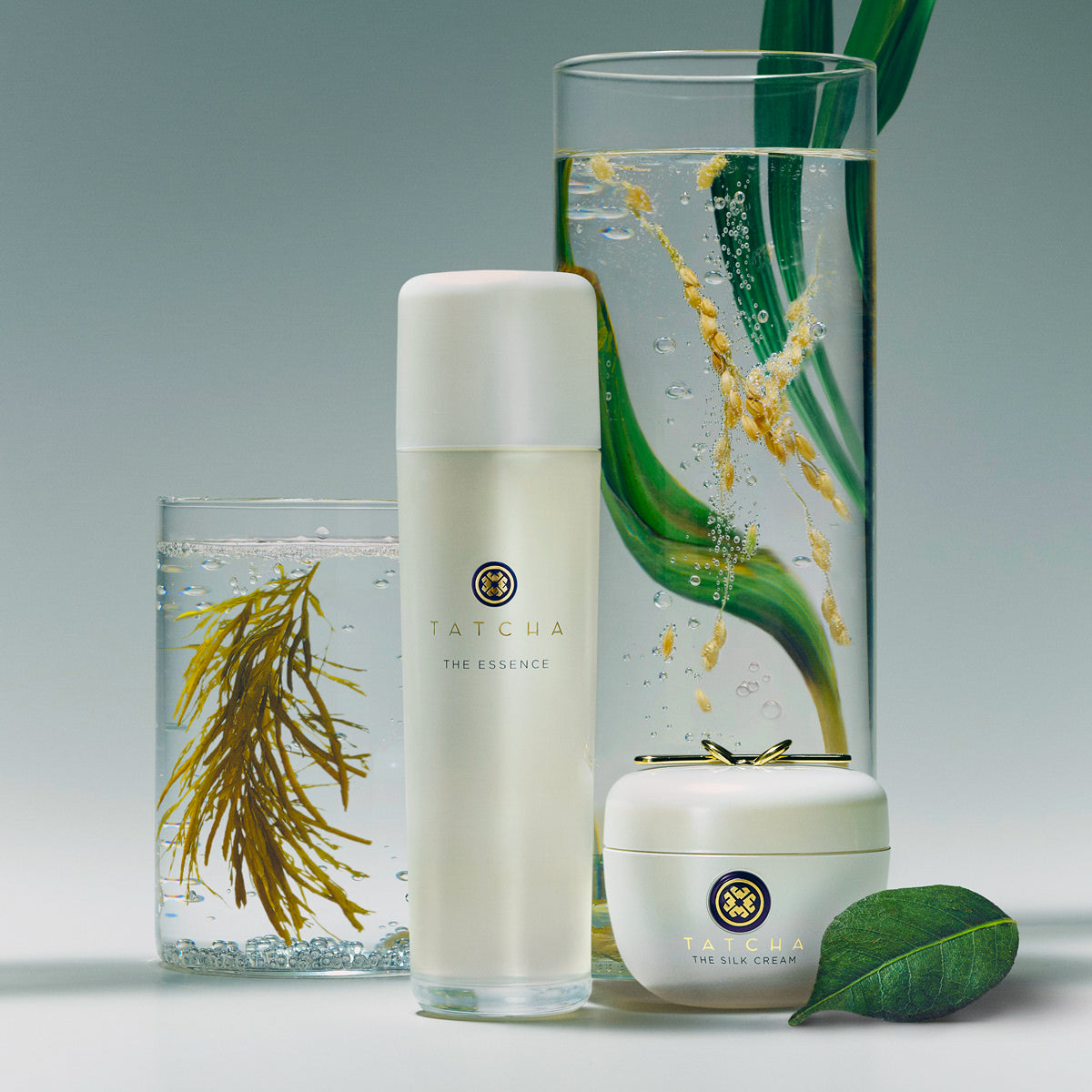
Before I began traveling to Kyoto, it often felt like every day was “busy.” It seems like everyone these days feels rushed and preoccupied, but so often that means lots of activity with little movement. In Kyoto, I began to spend some time at the Buddhist temple in the heart of the oldest green tea garden in Japan. A monk there helped walk me through a guided meditation, with a beautiful zen garden providing the perfect backdrop. Taking those few moments to calm my “monkey mind” and remind myself to be present were transformative as I returned home to San Francisco. Now, I make sure to spend some time with him on each trip. On my last visit, we spoke about small changes that can create a big difference. I found myself incorporating his suggestions into my daily rituals, and wanted to share them with you. Practice self-care first thing in the morning. Whether it’s a quick stretch, washing your face or enjoying an actual breakfast, the first thing you should do in the morning is to take care of yourself. Look at nature. Cut through the park on your commute to work or take a Saturday morning stroll through the trees, or even just face a window while doing your emails. Play with your breathing. Meditation is not about thinking of nothing. Instead, choose something to focus on, like your breathing, and think purposefully about taking deep breaths in and out. Vocalize words of happiness. Saying aloud that you are grateful for someone, or you wish someone joy, lifts your mood and someone else’s. Practice forgiveness. Let go of unhappiness by wishing well for people you may not love or agree with. Clean your space. No need for a full overhaul every day—simply wiping down a surface or decluttering your desk is a form of detoxing. Unplug. Take a walk and leave your phone at home, or put it away while getting ready for bed. Even the monk says this is the hardest one for him! Pause for a moment. Most of us don’t feel like we have time for meditation, but even pausing to take a deep breath before we do something helps to focus and be more present. Take a few seconds before eating to better appreciate your meal, or pause before meeting a friend for coffee so you are fully present in the moment. Find a fresh perspective. When we feel stress or anxiety, it can cause us to be stuck in one way of thinking. Take a moment to deconstruct your thoughts. Look at a tree—it always sheds its leaves and twigs, but maintains a strong core. Take care of your face and your hands. Just as a craftsman takes care of his tools, you should be caring for your face and your hands. They get you through your life. Because skincare is such a big part of my life and my work, I wanted to apply these philosophies into my skincare rituals. This is why we created The Essence, a small 7-second ritual to soften skin the way that meditation helps to soften my mind. We believe that when it comes to life and skincare, less is more—and even small changes can create a powerful difference. Whether it’s caring for your skin, walking in nature or spending time with loved ones, I hope that you find small ways to make a big difference in your life. Always, Vicky

Dokudami: Beauty By the Cupful
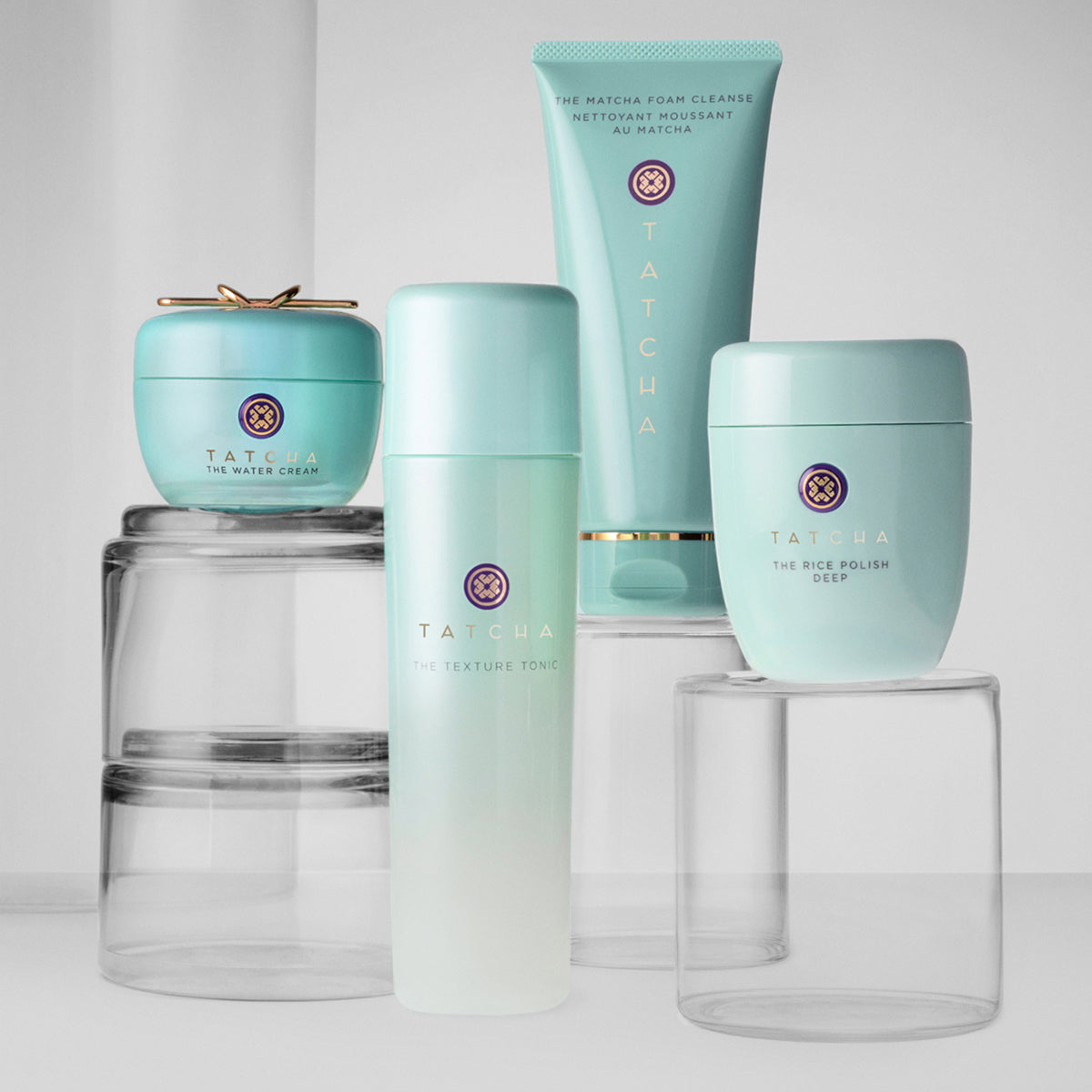
After a rainy evening in Kyoto, it’s not unusual to spot heart-shaped leaves peeking through narrow spaces between buildings and cracks in the sidewalk. These ubiquitous plants are dokudami (Houttuynia cordata), a medicinal herb famed throughout Asia for its healing benefits. Dokudami is also called juyaku, which means “ten roles” in Japanese—a nickname that highlights how many ailments it helps alleviate. In traditional Japanese medicine, dried dokudami leaves are served as a tea to cleanse the body from the inside. With the arrival of cooler temperatures in the fall, many in Japan, including geisha, still brew cups of dokudami tea as a health drink during the cold and flu season. “Japan’s eldest elephant, Hanako, drinks dokudami tea several times a day .. In fact, Japan’s eldest elephant, Hanako, who is 68, is served dokudami tea several times a day to keep her healthy. Clinical studies have proven the anti-bacterial and anti-inflammatory benefits of dokudami. Specifically, dokudami extract has a strong antimicrobial effect against the bacteria most commonly associated with acne. When I learned that, I knew it would be the perfect addition to our Polished Deep Rice Enzyme Powder to help balance acne-prone skin. While dokudami possesses incredible health benefits, it’s also an understated beauty and a symbol of resilience. Dokudami is a stellar example of a botanical ingredient I want to appreciate for its function and its form. Flourishing in spring and lasting through late autumn, dokudami thrives wherever its seeds land, making it a significant part of the landscape in humid climates. Although the leaves appear thin, a single stem of dokudami can withstand the wind and other elements, bending gracefully without breaking or withering. Everytime I see the modest dokudami, it reminds me to keep my mind and eyes open when I’m treasure hunting. Sometimes, an astonishing history and healing power can lie in the most unassuming places—even right in front of you. Always, Vicky

My Secret Kyoto - Travel Tips
Kyoto is magical in countless ways — a blend of ancient heritage and modernity of endless discovery and possibilities. Because I have been lucky enough to visit this special place many times over the years, I'm often asked for advice about where to eat, places to go and things to do. “even geisha love udon...” But the experience I cherish most is just being there, surrounded by the city's serenely beautiful landscapes, quiet, cobblestone streets and the endless charm of everyone I meet. If you are heading to the City of 2,000 Temples for the first time, or even the fiftieth, here are some of the places you might find me: Where to stay Hoshinoya: Tucked away just outside Kyoto, this traditional Japanese-style hotel is accessible only by boat. As you cruise up the river in a wooden boat, the stresses of big-city living fall behind. The hotel staff, the picture of Japanese hospitality, greets new arrivals at the dock and offers an escort into the hotel. With tranquil zen gardens in place of televisions, the grounds are rejuvenating for the soul and spirit. http://hoshinoyakyoto.jp/en/ Tawaraya: One of the oldest ryokan in Kyoto, this inn is best known for its many famous visitors and its incredibly attentive staff members, who treat each guest as royalty. The service is beyond impeccable, it’s almost like they know what you would like before you know you want it yourself. Because I am obsessed with books, I love the library the most, and somehow every time I was there a fresh pot of coffee or green tea would appear. The futon there was the most comfortable I have ever slept on, I think it's filled with silk. It was like sleeping on a cloud and it’s seriously one of the things on my bucket list to buy one day. Fuyacho, Oike Sagaru, Nakagyo-ku, Kyoto, 604. Phone: (075) 211-5566. Where to eat Toraya: This is one of the most peaceful and beautiful places in Kyoto, and I love the way the breeze makes the water ripple. This is the one place I visit every time I go, almost always in the morning before heading home because it is so calming. The seasonal tea and sweets are always as exceptional as the view, which makes for a pretty wonderful combination.https://www.toraya-group.co.jp/english/ Nishiki Food Market: This 400-meter-long bustling marketplace has been a culinary hub for more than 400 years, filled with vendors selling every kind of food—fish, spices, candy, teas and other delights. Many also serve samples of their specialties, which is a wonderful way to try new things — every day feels like a culinary celebration. The first time I went I was with Nami, and we discovered an amazing knife store run by a family that used to make samurai swords. We also found some secret restaurants tucked behind some of the food stalls where you can get incredible meals for incredible prices. It’s also the place I first learned that you can decorate your soup (because of the colorful baked rice shapes that puff up when added to a soup). www.kyoto-nishiki.or.jp The Sodoh: Did you know that Japan is also a good place for yummy Italian food too? I didn’t, until I discovered this delightful place. Built in the home of a famous painter, it's a wonderful place to unwind. www.thesodoh.com/en/ Gonbei: It can be very hard to spot a geisha while in Kyoto, mostly because they are in training almost all day and very busy with performances and events in the evening. But even geisha love udon, and one of their favorite places to go is this humble noodle shop. The udon is delicious and the place has a charm of its own. Where to go Miyawaki Baisenan: This elegant fan store is practically a fan museum. The selection of elegant, perfectly-made fans is without rival, and the company is known for providing fans to the Imperial family, celebrities, geisha, sumo and kabuki actors for generations. Be sure to check out the room upstairs that is dedicated to tousenkyo, a fan tossing game from the Edo period that is much harder than it looks! www.baisenan.co.jp/ Lisn: I was fascinated to hear that new research suggests that skin has the ability to “smell”— scent receptors in the skin react to aromas like sandalwood or citrus. Lisn is a beautiful, modern incense store that expands far beyond simply scent. The distinct fragrances are also listened to, expanding the senses and inviting the user to be fully present when experiencing the incense. I love visiting this sleek store and exploring all the different varieties they have to offer. www.lisn.co.jp/ Kenninji Temple: The oldest Zen temple in Kyoto, this special place honors the founder of the green tea ceremony — which is why tea plants surround the grounds. Art galleries and Zen gardens help to center the visitors and provide tranquil areas for meditation. I particularly love when the peonies are in bloom, lush and as big as my head. In 2002, artist Koizumi Junsaku added a stunning ceiling painting of two colossal dragons, representing the art of communication from the heart. http://www.kenninji.jp/english/ Minamiza Kabuki Theater: One of the oldest Kabuki theaters in Japan, Minamiza holds an event from the end of November through the end of December called Kichirei Kaomise Kogyo, which are a special series of traditional performances geisha traditionally attend, many even wear hair decorations signed by their favorite performers, symbolic of their shared performance heritage. www.kabuki-bito.jp/eng/top.html Kyoto canals: One of my favorite Kyoto treasures is actually not “hidden” at all. The canals famously crisscross the city, the water reflecting lanterns of shops and restaurants lining the edges. Cranes are frequent sights in and along the canals. There is always a crane stationed outside my favorite restaurant, who will famously bark for sushi. Have you been to Kyoto? What were some of your favorite spots?