








T-House

The Best Skincare Routine for Sensitive Skin
Sensitive skin comes in many shapes, colors, and textures—from oily, to dry, to both, to not quite either. This guide can help you understand how your sensitivity interacts with other skin types and discover your ideal skincare routine.Sensitive skin can seem (and perhaps feel) troublesome at times — but the good news is that this skin type isn’t rare. Studies have shown that over 70 percent of adults experience sensitivity chronically or at some point in their lives. The sensitive skin type is characterized by frequent skin reactions from outside stimuli, like the sun or weather, or by exposure to irritating products. It can be hard to know which formulas, ingredients, materials, or weather conditions will aggravate you—until they’re introduced. To help empower you to soothe your sensitive skin, we’ve compiled the ultimate guide to sensitive skin: tips, things to avoid, and a skincare routine for sensitive skin. Keep reading to learn all about soothing sensitivity. What Is Sensitive Skin? Sensitive skin is skin that is more reactive than other skin types. This can include redness, burning, stinging, swelling, itching, peeling, inflammation, and more. What Causes Sensitive Skin? The truth is, well, we don’t exactly know. Available evidence suggests that cosmetic overuse is a main trigger, but sensitivity has also been linked to various disorders in both the skin and other areas of the body. Sensitive skin is something you are born with, as opposed to sensitized skin, which is usually a temporary state caused by the overuse of harsh products. Sensitive Skin Tips Just because you have sensitive skin doesn’t mean you can’t indulge in luxurious, nourishing skincare. In fact, quite the opposite can be true: a sensitive skincare routine curated with the best Japanese skincare products composed of intentional ingredients can help soothe and repair skin over time. But several everyday tips can also be helpful when implemented into your routine. Here are a few things to consider for those with sensitive skin. Avoid Aggressive Formulas and Techniques One of the most common ways to irritate and trigger sensitive skin is through improper exfoliation and using harsh exfoliants. When in doubt, be as gentle as possible to the face, and learn how to properly exfoliate. We like to think of the skin as delicate silk, imagine how thoughtful and careful you are when cleansing a precious garment. Use that same care and consideration with your skincare routine for sensitive skin. For formulas, choose products that tout their sensitivity and gentle ingredients. Keep Things Cool Speaking of gentleness, blazing hot temperatures can be triggering for sensitive skin. Be mindful of the water temperature when taking a shower or cleansing the face. Tepid temps are preferable, or even cold temperatures when just washing your face, if possible, which can feel more refreshing and depuffing. Time is also a factor. While a long hot shower feels incredible, soaking for longer than 10 minutes at a time can be quite harsh on the skin and, for some, lead to a loss of natural skin oils, which weakens the skin barrier. Tepid and quick cleansing conditions are the most ideal for sensitive skin. Focus On Your Skin Barrier At least one study has posited that sensitivity is linked to the integrity of your skin barrier, that outermost layer of the complex cutaneous system. The skin barrier is composed of dead skin cells caulked together by fats, proteins, and lipids; it helps the inner layers of your skin retain water and essential nourishment. When the barrier is weakened, there’s a greater potential for skin reactions to occur, which is why protecting the integrity of that barrier should be your number one priority when dealing with sensitivity. Seek Out Thoughtful Ingredients When building your daily skincare routine for sensitive skin, one consisting of products that repair the skin barrier, there are specific ingredients to look for. Here are a few of our favorites to consider adding to your sensitive skincare routine. Hydrating Staples Seek out super hydrating ingredients like squalane and hyaluronic acid, both of which are naturally found in the skin. They support naturally healthy looking skin and instantly boost moisture levels. Adding them to your routine is a little like adding mortar to a brick wall to support its structure. Colloidal Oatmeal Colloidal oatmeal has inherent anti-inflammatory properties that can calm down aggravated skin. The clinically-proven ingredient helps instantly soothe, soften, protect, and hydrate skin, and is even recognized by the National Eczema Association (NEA) as an ingredient that helps treat eczema. Japanese Indigo The Japanese indigo plant and its soothing, restorative powers, was a huge source of inspiration for Tatcha’s sensitive skincare collection. The familiar pigment that may have helped dye your jeans is made by boiling down a powder of Indigofera plant leaves into dye. But the extract’s active ingredients help provide impressive relief, even to reactive skin. The Indigo Calming Cream combines the extract with colloidal oatmeal for superior skin barrier relief, which is perhaps why it bears a seal of acceptance from the NEA. Skincare Routine for Sensitive Skin Those with sensitive skin might be disinclined to try a new product or routine out of fear of a severe reaction, but Tatcha’s scientists at The Tatcha Institute in Tokyo have been perfecting our formulas for years, always with sensitivity in mind. Sensitive skin is actually the catalyst for our founder Vicky Tsai to create Tatcha, after finding soothing solutions in traditional Japanese methods after a lifetime of suffering. Did you know that sensitivity can be layered over other common skin traits, like oily, dry, or combination? To make things curated to your specific skin type, we’ve organized each skincare routine for sensitive skin into categories: dry, oily and acne-prone, and combination. Not sure exactly what your unique skin type is? A board-certified dermatologist or licensed aesthetician can help you, but Tatcha’s helpful guide to discovering your skin type will narrow down each distinct skin type and how to care for them. Each skin type has its own nuances, but in general, follow this skincare routine outline. Below we’ll dive into each sensitive skin variant and what products in this outline best support your face morning and night. Morning Cleanse Essence Moisturize Protect Evening Cleanse Essence Treat Moisturize Skincare Routine for Dry, Sensitive Skin In a way, dry skin resembles dry earth. It bears cracks and crags, lightens in color, can be brittle or even break. But unlike a desert expanse, dry skin doesn’t suffer from an absence of water. Or at least, not as a root cause. (Although dehydration can certainly make the issue worse.) While the Mayo Clinic reports that water loss leads to dry skin, it’s in fact a lack of oil that leads to water loss in the first place. Factors like aging, behaviors like overbathing, and products like harsh detergents can all contribute to a loss of natural skin oils, which weakens the skin barrier and allows precious water to slip away. Those who have dry skin may simply naturally produce less oil in their pores than others. And sensitivity and dry skin can go hand in hand, with dryness being one (of a few) kinds of skin reactions. So it follows that there’s a way to treat both at once. And there is: Just add oil. Products dry, sensitive skin will love: Oils help condition the skin by shoring up skin’s moisture seal, making them super effective moisturizers—and extremely helpful for managing dryness. Fortunately, they’re everywhere in nature, as well as in skincare formulas. Cleanse In Kyoto, during Japan’s Edo period, geisha performers painted their faces with thick white makeup, and would remove it with a lightweight oil from the camellia flower. This bit of beauty history helped inspire Tatcha’s Camellia Cleansing Oil, which has a two-in-one function—it melts away dirt, impurities, and even makeup, while nourishing the skin with a buffet of vitamins and omega fatty acids. (Camellia oil is a richer source of oleic fatty acids than olive oil.) Using this cleansing oil on its own or part of a Double Cleanse will help cleanse — but not over cleanse — skin, which is important for dry, sensitive skin. To soothe sensitivity and restore the skin’s moisture barrier, try The Indigo Cleansing Balm, which was developed to melt away the most stubborn makeup and sunscreen, yet not strip skin’s essential moisture. Essence Those who find their skin feeling parched at all times (aka dry, sensitive skin!) will benefit from a skincare booster like our award-winning Essence, not to be confused with a serum, which is clinically proven to improve skin moisturization instantly and help serums and moisturizers work more effectively. Treat While not always necessary, especially in the middle of a flare up, a serum can boost (and perhaps even fast track) your skincare recovery. A product like The Dewy Serum instantly floods skin with hydration and smooths texture for a radiant glow. Moisturize Hydrating with a moisturizer that soothes irritation while also tackling dehydration can be a tall task. However, at Tatcha, we have a handful of moisturizers that accomplish exactly this. The Dewy Skin Cream is a bestseller for a good reason: it immediately improves skin plumpness, suppleness, and radiance, and improves the appearance of the skin barrier after just one use. If addressing sensitivity and calming skin is more important, try the Indigo Calming Face Cream, which has the NEA’s prestigious seal of acceptance. The indigo-boosted rich cream addresses redness, itchiness, and visible irritation, and also strengthens the skin barrier to keep moisture in. The moisture doesn’t have to stop there, thanks to the rich moisturizing Gold Camellia Beauty Oil. A base of camellia oil is flecked with radiant 24K gold, but the formula also contains licorice extract, which has been shown to visibly soothe skin. It can be used on its own or used to seal in hydration atop a moisturizer. Protect Arguably the most important thing you can put on your skin, at the very end of your skincare routine, is sunscreen. No matter the season, the weather outside, or your daily activities — don’t skip on SPF. Dry, sensitive skin will adore one of our newest innovations: The Silk Sunscreen. The invisible, weightless mineral formula not only protects from both UVA and UVB rays, but it also contains hyaluronic acid, niacinamide, and silk extract for skin that is more hydrated, even toned, and soothed. Skincare Routine for Oily, Sensitive Skin At the other end of the skin spectrum is oily skin, the skin type caused by more than the average amount of oil production. These tips and products are also the perfect skincare routine for acne-prone sensitive skin too, as they contain non-comedogenic products that won’t flare up breakouts or excessive oil. Did you know oily skin suffers not from an overproduction of oil but actually an abundance of sebum, a slick substance made mostly of lipids that is secreted from pores? Sebum has a protective function, according to The Cleveland Clinic, and helps to moisturize the skin. Too much sebum has been linked to breakouts, according to some studies, which is why treating oily skin is a balancing act to keep oil levels in check. Products oily, sensitive skin will love: Sensitivity and oiliness can be challenging to manage, as oily skin benefits from regular exfoliation, but sensitive skin can’t handle standard exfoliation. But even sensitive skin can benefit from frequent exfoliation; the trick, however, is to use chemical or physical exfoliants (whichever you prefer) designed with sensitivity in mind. Cleanse Physical exfoliants don’t get much gentler than The Rice Polish: Calming. Finely ground rice bran promotes natural skin turnover, but the formula also incorporates natural Japanese indigo to soothe visible irritation—making this a great scrub for sensitive skin. Keeping things clear may help keep oil in check. This can be used on its own or as the second step in a Double Cleanse. Chemical exfoliants are also useful for managing the trademark peeves of oily skin, from blackheads to build-up. A lightweight toner like The Texture Tonic can be incorporated easily into any skincare routine, after cleanser and before serum and moisturizer. The Texture Tonic’s fruit-derived alpha hydroxy acids and niacinamide are tried and true ingredients for boosting skin barrier function. In other words, great for sensitive skin. If you’re looking for a daily foaming face wash, consider The Matcha Cleanse, which controls the amount of oil produced both immediately and over time. It also purifies pores with coix seeds and willow bark, supports the skin barrier with Japanese mugwort, and calms redness with Japanese matcha powder. Essence Even oily skin will treasure an Essence, which, as you might remember, is clinically proven to improve skin moisturization instantly and help serums and moisturizers work more effectively. Clever hydration from an essence is especially important for oily, sensitive skin as it will provide lightweight moisture without triggering further oil production. Treat Many with oily skin might experience dark spots or hyperpigmentation, but likely have trouble with harsh serums and treatments to brighten skin. Try the The Brightening Serum, which visibly evens skin tone, resurfaces with fruit-based alpha hydroxy acids, and can improve fine lines over the long term. Moisturize Moisturizing with oily skin can be tricky: too much hydration and the skin feels slick and weighed down, but too little and it might over-produce sebum to counteract the dryness. The trick is to use a moisturizer that provides hydration, but not excessively so. The famed Water Cream is the perfect option for those with oily and sensitive skin, as it provides lightweight hydration, but doesn’t clog pores or feel sticky or heavy. It also can improve the skin barrier, helping to seal in moisture, a necessity for sensitive skin. Skincare Routine for Combination, Sensitive Skin If you have combination skin, you get the best of both worlds. Parts of your face are oilier than the rest, while other parts are more dry. Many people have an oily T-zone, across their forehead and down their nose, but combination skin can look different from face to face. What is less variable is what the combination skincare routine needs: Balance. Particularly, a balance of water and oil, and hydration and moisturization. While single skin types might apply a product all over, you may benefit from targeting different areas with different products entirely. Of course, keeping in mind possible sensitivity, you’ll want to make certain that each step incorporates ingredients that are gentle. Products combination, sensitive skin will love: It can feel overwhelming to dance between oiliness, dryness, and sensitivity. But with the right products, skin can feel calmed, balanced, and hydrated. Here are a few products that will fit both the skincare routine for sensitive skin and combination skin. Cleanse Tatcha’s brilliant Matcha Cleanse is also ideal for combination skin, as it curbs excess oil, yet is still nourishing on the dry areas of the skin. Also, it won’t strip or irritate dry, sensitive skin — making it the perfect start to your morning and evening skincare routine for combination, sensitive skin. Essence Those with combination skin will treasure The Essence, as it can balance skin. Excess dry and oily areas can feel closer to equilibrium when using this lovely watery elixir day and night. And, if you remember from above, it’s shown to help serums and moisturizers work more effectively — so a win/win situation. Treat Zero in on your most important need (or needs, many serums can be layered). Is dryness the most prevalent factor for your skin? The Dewy Serum floods skin with hydration and provides a radiant glow. Fine lines more of a focus? The Silk Serum visibly firms and reduces the look of lines and wrinkles, while also calming redness and strengthening the skin barrier (a necessity for sensitive skin). Dullness got you feeling down? The The Brightening Serum evens skin tone and resurfaces with fruit-based alpha hydroxy acids for brighter, more radiant skin over time. Moisturize Moisturizing can be the trickiest part of any routine, especially with combination skin. It may take a bit of trial and error to discover your ideal product, but we recommend testing out the The Water Cream – a lightweight moisturizer designed to not feel sticky, heavy, or clog pores – or The Silk Cream – another bestselling moisturizer that has a gel to cream consistency and locks in hydration for 24 hours (without clogging pores, of course). No matter your skin type or preferred daily skincare routine for sensitive skin, with care and consistency, almost any skincare goal is achievable. Remember good things take time — that is especially true when it comes to your sensitive skin.

The Best Sunscreen for Combination Skin
Protecting combination skin can be difficult, especially when searching for the perfect sunscreen that feels nourishing yet lightweight. Read on to discover the best sunscreen for combination skin. Do you have combination skin? You are in good company: we’ll all experience this skin type at some point in our lives. While we find it beneficial to categorize skin into types, everyone’s skin is individually unique. Combination skin especially defies categorization and looks different on everyone, making it difficult to find a skincare routine that helps skin feel comfortable and supported. And that’s particularly true in uncovering the best sunscreen for combination skin. While we all understand how vital sunscreen is every single day, those with skin that’s both dry and oily can find the task of choosing the best face sunscreen nearly impossible. To make things simple, we’ve compiled everything you need to know about protecting combination skin from the sun. Keep reading to understand more about your combination skin, how to care for it, and choosing the best sunscreen to protect it. What Is Combination Skin? Combination skin simply means the skin is a combination of different skin types, which is incredibly common. That might mean oily skin in some areas of your face and dryness in other sections. This presents most often as dry patches on the cheeks and oiliness (and perhaps breakouts) in the T-zone, which is the forehead, nose, and chin. However every person’s skin is special to them and your combination skin might present differently. How can you find out if you have combination skin? Try out one of our tried and tested methods for determining your skin type. The Bare-Faced MethodCleanse your face thoroughly with a mild cleanser and gently pat dry. Leave skin bare (and do not apply any additional moisturizers, serums or treatments). After 30 minutes, examine your cheeks, chin, nose and forehead for any shine. After another 30 minutes, evaluate whether your skin feels parched, especially if you smile or make any other facial expressions. If your skin feels tight, your skin is likely dry. See a noticeable shine on your nose and forehead, but still feel tightness in other areas? Your skin is most likely combination. If there is shine on your cheeks in addition to your forehead and nose, you most likely have oily skin.The Blotting Sheet MethodIf you’re looking to speed up your skin type diagnosis, the blogging sheet method is much quicker. Gently pat a blotting paper on the different areas of your face. Hold the sheet up to the light to determine how much oil is visible. If the sheet picked up little to no oil, you most likely have dry skin. If the blotting sheet reveals oil from the forehead and nose areas, your skin is the combination skin type. Finally, if the blotting paper is saturated with oil, it is extremely likely that you have oily skin. How To Choose the Right Sunscreen For Combination SkinCaring for combination skin in general can be a difficult task. You want to address both frustrating dryness (and potential irritation) while also curbing excessive oiliness — two variants on differing extremes of the skincare barometer. For your daily combination skincare routine, this delicate balance is achieved with gentle and daily exfoliation (The Rice Polish is designed exactly for this), a hydrating but not heavy moisturizer, and of course, a thoughtful sunscreen. What constitutes a sunscreen as thoughtful? Here are a few things to look out for when finding your ideal sunscreen for combo skin.Broad SpectrumFirst and foremost, ensure your sunscreen has broad-spectrum protection. This means it has FDA approval that it protects from both ultraviolet A (UVA) and ultraviolet B (UVB) rays. This is vital because all wavelengths of the sun are damaging, but in differing ways. UVA rays can penetrate deeper into your skin and are responsible for accelerated skin aging. UVB rays have shorter wavelengths and are responsible for burning the skin, which is a major factor in skin cancer. While discovering a sunscreen for combination skin is important, ensuring whatever formula you do choose is broad spectrum is absolutely vital. We’re joyous to report that both of Tatcha’s beloved sunscreen formulas have this essential classification. Clever, Multitasking IngredientsAnother important element of the best sunscreen for combination skin is clever ingredients. Yesteryear’s sunscreens were gloopy, thick, and simply had active ingredients that shielded from the sun. But today’s modern iterations are elegant, multifaceted, and include ingredients that not only shield from the sun but also improve the skin while being worn. This includes hydrating ingredients, such as hyaluronic acid and squalane, and texture-improving elements, like niacinamide. Combination skin sunscreen will adore formulas with these ingredients because it will both address excessive dryness and oiliness throughout the day. Non-comedogenic Those with combination skin are likely triggered by comedogenic ingredients, which can cause excessive oiliness and breakouts. Seek out a sunscreen for combination skin that proudly states it’s non-comedogenic, which means it won’t clog pores. This is beneficial for all skin types, but especially for oily and combination skin. At Tatcha, we proudly have an entire category dedicated to non-comedogenic formulas, which are made with gentle, natural ingredients that minimize clogged pores and reduce excess oil without over-drying skin (and both of our sunscreens are, of course, non-comedogenic). What Causes Combination Skin?Combination skin can be attributed to a variety of different factors, many of which are inevitable and inherent. Here are a few of the most common to consider. GeneticsMany of our skin’s most beautiful traits are inherited from our ancestors. In most cases, combination skin is genetic, meaning this skin type has been passed down from the generations that came before you. It’s kind of poetic to know that your skin (and perhaps skin type) is part of a bigger story about your heritage and family. Irritating or Harsh Skincare Products Those with combination skin can find that their face issues are exacerbated (or even caused) by using harsh or aggravating ingredients in your daily routine. The most common occurrence usually involves overly intense exfoliation (or using these potent exfoliant options too frequently). Interaction with extreme formulas can cause a number of issues, including excess oiliness, flakiness, redness, and dryness. Or for those with skin that leans towards sensitivity, it can cause painful irritation and potentially flare up chronic issues like eczema. Learning how to properly exfoliate is key to caring for combination skin.Unsupportive Skincare Regime The skin is an incredible organ, always working overtime to maintain homeostasis. If you're using a skincare product that isn’t moisturizing enough, dehydrated skin can work overtime to balance itself, creating more oil and sebum, thus leading to the potential production of excessive oiliness, irritation, and even breakouts. The adverse effect can also occur too, when skin is exposed to overly rich products, causing the face to decrease the natural oil production, which can lead to dryness and even create issues like milia (small, white bumps that form under the skin from trapped dead skin cells) and breakouts from the too-rich skincare textures.For those with naturally combination skin, incorporating the correct products into your skincare ritual may still result in uneven skin. But choosing the best skincare products for your combination skin type will allow the face to be softer, smoother, and more hydrated with less buildup and fewer breakouts.Best Sunscreen for Combination Skin Besides a daily cleanser, no skincare product is more important for daily use than sunscreen. Not only does it help fight premature aging, but it, most importantly, protects from cancer-causing rays. But sunscreen must be used every day to be effective, which makes finding one you enjoy wearing vital. The trick to finding the best combination skin sunscreen is choosing a sunscreen formula that nourishes and refreshes without clogging pores or being too heavy. Here are a few proven options ideal for combo skin. The Silk SunscreenTatcha’s mineral sunscreen innovation is silky, lightweight, and invisible. The 50+ coverage protects with 10 percent zinc oxide (a soothing active ingredient) for a mineral, reef-safe filter. While the protection may feel impossibly light, it’s packed with skin-benefitting ingredients, like hyaluronic acid, niacinamide, and silk extract — designed to hydrate, soothe, and reduce redness. The lightweight feel and hydrating ingredients make it especially ideal for combination skin. Silken Pore Perfecting SPF 35 SunscreenIf you prefer a creamy texture, try our bestselling Silken Pore Perfecting sunscreen. With both mineral and chemical protection, this formula features skin-loving ingredients that not only protect the skin, but also help tighten the appearance of pores, smooth skin texture, and calm irritation. The matte, flawless texture is great for combo skin, especially those that feel more oily than dry (or on those humid, hot days). If you like products that multitask, this clever formula doubles as a makeup primer, helping to keep oil at bay and allow makeup to last longer. Aburatorigami Japanese Blotting PapersFind your skin a tad oily mid-day, no matter how selective your skincare and sunscreen choices are? Utilize a blotting paper, like our Aburatorigami Japanese Blotting Papers, which are made of 100 percent natural abaca leaf and gold flakes. The papers help to address unwanted oil production and absorb excess oil without disturbing the skin’s natural hydration. It’s a useful product for those with combination skin particularly and perfect while on the go. (Fun fact: These sleek and versatile blotting papers were Tatcha’s first product!)

Chemical vs. Physical Sunscreen: Which Is Better for You?
Wearing sunscreen daily is one of the most powerful acts of self-care you can give your skin. There are two kinds of sunscreen—chemical and physical—and understanding the difference can help you choose the formula that aligns with your skin’s unique needs. So many of life's most treasured moments occur outside in the sun: picnics in the park, walks with friends, and exploring a new neighborhood or destination. But while soaking up the sunshine it's imperative to protect your skin with sunscreen, wearing it each and every day. Did you know there are two kinds of sunscreen; chemical sunscreen and physical sunscreen? Understanding the difference between the two iterations is fairly simple and can help you uncover your perfect SPF formula. Read on to discover everything you need to know about the two types of sun protection and the best option for your skin type. What is Physical Sunscreen? Physical sunscreen contains active mineral ingredients, like titanium dioxide or zinc oxide, making it a mineral sunscreen. A physical sunscreen works by sitting on top of your skin to form a shield and reflect against harmful and damaging UV rays. What is Chemical Sunscreen? Chemical sunscreen contains organic compounds, like oxybenzone, octinoxate, octisalate, and avobenzone. These compounds gently sink into the skin by absorbing UV rays and changing them into heat and then releasing that heat from the skin. Physical Sunscreen vs. Chemical Sunscreen Both sunscreens are wonderful and necessary – it just depends on your personal preference. Pro: Physical Sunscreen is Non-Irritating Physical sunscreen is a natural broad-spectrum sunscreen, as it offers sun protection from both UVA and UVB rays. It also protects your skin from the sun as soon as it’s applied – you do not need to wait for it to take effect. Physical sunscreen is ideal for those with sensitive skin or acne-prone skin, as it is less likely to cause stinging and clog pores. Its shelf life is also longer than chemical options and it’s more photostable, so it doesn’t need to be reapplied as often as a chemical sunscreen. Con: Physical Sunscreen White Cast It is important to note that physical sunscreen can sweat, rinse, or rub off more easily. For full protection, you need to apply a generous amount and ensure it is rubbed completely into the skin. Physical sunscreen can also leave a whitish cast if the formula has a high zinc percentage. Zinc oxide is wonderfully anti-inflammatory and particularly great for sensitive and reactive skin – but it can give a sunscreen a thicker consistency and white cast. (Although newer innovations, especially Japanese sunscreens, are formulated so as to not cause either a white cast or greasy feel, so don’t count it out!) Pro: Chemical Sunscreen Applies Easily Chemical sunscreen tends to be thinner and spread more easily and flawlessly on the skin, so it can be more suitable to wear under makeup. They often don’t rely on zinc formulas, so they won’t commonly have a white tone, making them ideal for darker skin tones. Also, the formula often includes ingredients that treat and protect the skin, like peptides, antioxidants, and enzymes. Making them a one-two punch of skincare and sun protection. Con: Chemical Sunscreen Can Be Irritating Multiple active ingredients are combined to achieve UVA and UVB chemical protection, so there may be a higher chance of stinging and irritation for some, especially dry skin – and this potential irritation increases as the Sun Protection Factor increases, especially for sunscreens with SPF 50 or more. Additionally, chemical sunscreens need at least 10 to 15 minutes after application to achieve full protection. And it’s ideal to reapply frequently, as protection dwindles under direct UV light. Prone to dark spots? It’s highly unusual, but some dark-spot-prone chemical sunscreen users can see an increase in existing dark spots and discoloration. This is because of the chemical reaction when using chemical sunscreens that increases your internal skin temperature slightly. And one of the two main causes of melasma is heat. It should be noted that this interaction is very rare, and almost all SPF coverage helps prevent dark spots – not cause them. Speaking of reactions, some chemical sunscreens can cause clogged pores for acne-prone users, causing blemishes. This can occur when the oils or comedogenic ingredients used in some formulas irritate the skin, causing an adverse reaction. But this can also occur in physical sunscreens. To avoid any irritation, look for products that note they’re non-comedogenic. Dual Chemical AND Physical Sunscreen For the best of both worlds, some SPFs combine both chemical and physical sunscreen in one product. The formula can take away the woes associated with each type of protection, allowing greater ease of application, longer-lasting wear, and stronger coverage. Which is Best for You? The most important thing is to wear sunscreen daily. There is no superior SPF protection – whatever option you’ll use daily is the best sunscreen for you. There are many outdated and negative associations with sunscreen, like stinky, thick, or sticky formulas. But it’s an exciting, innovative time in skincare: modern sunscreens – whether they are chemical, physical, or a blend of both – are wonderfully advanced and not only protective, but oftentimes have cosmetic benefits that improve the skin’s overall health. Still can’t decide which is right for you? There are a few things to consider that’ll help you narrow down your search. Consider Your Skin Type Note your skin type – certain skin might enjoy using a physical sunscreen over chemical, or vice versa. Have reactive or sensitive skin? Tend to breakout a few times a week or month? A physical sunscreen (or a non-comedogenic chemical) is probably best for you. More oily skin? Or resilient, non-reactive skin? A chemical sunscreen might work beautifully for you. (That said, again, whatever sunscreen you enjoy using is the best sunscreen for your skin.) Consider Your Skin Tone Those with deeper skin tones can find physical sunscreens difficult to apply without leaving a frustratingly ghostly cast behind. Chemical protection can provide a more seamless, invisible application. But don’t count physical out entirely: there is a new genre of tinted physical sunscreens that might work perfectly for medium to dark tones. The Best Physical & Chemical Sunscreens At Tatcha, we take the honor of caring for your skin very seriously, especially when it comes to something as important as sunscreen. We recommend choosing a broad-spectrum sunscreen with at least SPF 35 protection. Here are a few of our favorite formulas. Dual Chemical & Mineral Sunscreen Consider our Silken Pore Perfecting Sunscreen, which is a weightless sunscreen with broad-spectrum protection (meaning it provides coverage from both UVA and UVB rays). The SPF 35 blends effortlessly and invisibly for refined pores and a matte finish. It features both chemical and mineral SPF, allowing for a nearly invisible finish, while also providing lasting protection against the sun. Hate thick sunscreens? You’ll love this weightless option then, the lightweight protection is formulated with silk extract for a silky-smooth feel, and Japanese wild rose to help tighten the look of pores and smooth skin texture. Meanwhile, loquat leaf extract offers a rich source of antioxidants to protect and calm your skin. Archaic sunscreen used to sit uncomfortably under the skin, but Silken Pore Perfecting Sunscreen is perfect as a primer for your makeup, without leaving a chalky finish. Our sunscreen is non-comedogenic, dermatologist-tested, and cruelty-free, and is formulated without parabens, synthetic fragrances, mineral oil, sulfate detergents, phthalates, DEA, or TEA. Mineral Sunscreen Looking for a silky, lightweight, invisible sunscreen with 50+ mineral coverage? Allow us to proudly introduce our newest innovation – The Silk Sunscreen. For the base of our brand-new sunscreen, we turned to a timeless ingredient used in beauty rituals for nearly two thousand years – silk. Silk features an amino acid structure similar to that of skin, which allows the silky liquid to provide a protective veil of hydration without weighing your skin down. Not only does the new Silk Sunscreen feel impossibly light, but the invisible protection also impressively minimizes pollutant and allergen disruption. In addition to silk extracts, niacinamide visibly evens skin tone, reduces redness, and visibly firms the look of pores. And hyaluronic acid helps to immediately boost skin’s natural moisture levels, softness, and skin tone. Basically, it makes your skin feel healthier, while also providing incredible sun protection. Most importantly though, the sheer liquid provides 50 broad-spectrum protection against UVA and UVB rays, with 10 percent zinc oxide for a mineral, reef-safe filter. Can’t decide between Silk Sunscreen and Silken Pore Perfecting Sunscreen? If you’re looking for higher sunscreen protection with a more milky, liquid format, Silk Sunscreen is perfect for you. If you prefer a cream, with both mineral and chemical protection, our bestselling Silken Pore Perfecting SPF 35 Sunscreen is a superb option. No matter what broad-spectrum sunscreen protection you choose though, the most important thing is to apply it daily. Basking in the sun is one of life’s simple pleasures – but only if you have SPF coverage on to enjoy it.

How to Choose the Best Exfoliant & Exfoliating Scrub
Not all exfoliators and face scrubs are ideal for your skin, which is why we created this thorough guide to uncovering the best exfoliants for your skin type. The Power of Exfoliation Exfoliation is a crucial step in any skincare routine. It not only removes dead skin cells and impurities from the outermost layer of your skin’s surface, but it also helps the rest of your skincare products achieve their maximum potential. Additionally, regular exfoliation has been linked to a handful of impressive benefits, including increased levels of hydration, a reduction in the appearance of fine lines, and an overall brighter and more even-toned complexion. But with so many options out there, finding the best face exfoliator for your needs can feel overwhelming. The key? Start by determining your skin type. Then, read on as we guide you to the best face scrubs and exfoliants for your unique skin.Types of Chemical ExfoliantsChemical exfoliants, also known as liquid exfoliants, use chemicals to gently dissolve dead skin cells. They can come in numerous formats, including cleansers, toners, peels, serums, creams, and masks. Chemical exfoliants are wonderful for almost all skin types—however, consider the percentage and be cautious when first incorporating them into your routine. When in doubt, follow the packaging guidelines (as some formulas are more potent and designed for weekly use, while others are at a lesser percentage and intended to be used daily) and do a spot test first.In recent years, chemical exfoliants have been lauded for their effectiveness—and rightfully so. Chemical exfoliants are beneficial because they help brighten the surface of the skin, eliminate dead skin cells, and curb excess oil for most skin types. Here are the three most common chemical exfoliants.Alpha Hydroxy Acids (AHAs)Alpha hydroxy acids are mostly comprised of glycolic, citric, mandelic, and lactic acid. AHAs are proven to address the appearance of skin, targeting dark spots, acne scars, and any other form of hyperpigmentation. AHAs exfoliate the skin’s surface, but they also help ingredients applied afterward penetrate deeper into the layers of the skin (thus boosting the product’s overall effectiveness). This form of acid is great for almost any skin type, although any type of acid should be used cautiously at first.Beta Hydroxy Acids (BHAs)In contrast to AHAs, Beta hydroxy acids are best known for their most popular iteration: salicylic acid. BHAs are synonymous with acne-fighting because they’re oil-soluble and incredibly small molecules, making them capable of penetrating inside the pore, addressing bacteria, sebum, and debris at the root of the problem. BHAs can be irritating for some because they work so deeply and effectively – so use caution when incorporating them into your regime, or consider incorporating products containing BHA alternatives into your skincare routine instead. Polyhydroxy Acids (PHAs) Polyhydroxy acids are commonly seen as gluconolactone, galactose, and lactobionic acid. While those acid names don’t have quite the star-following of AHAs or BHAs, PHAs have a major benefit over their cousins: less irritation. The molecular size of PHAs is quite large compared to the other acids, making them ideal for sensitive skin. PHAs work very similarly to AHAs, addressing the surface of the skin for a more even-toned appearance.Types of Physical ExfoliantsPhysical exfoliation includes scrubs or polishes to remove dead skin cells physically (aka manually). This category also includes tools, such as washcloths, brushes, and sponges. Physical exfoliants famously have a reputation for being more harsh and unpredictable. But if using a product with gentle ingredients, like rice bran, the scrub can be wonderfully effective. Physical exfoliants have been shown to stimulate collagen production, unveil smoother skin, and create a luminous, healthy glow. However, they’re often associated with the harsh physical exfoliants of yesteryear that would tear up the skin, leaving it raw, red, and damaged. But not all physical exfoliants are bad. When a formula is approached with expertise and care, a physical exfoliant can be wonderful for all skin types, from sensitive to oily.Face PolishesAt Tatcha, we believe in the time-tested category of physical exfoliation known as face polishes. Face polishes date back centuries, when geisha utilized finely milled rice powder to delicately polish their pristine skin daily. The benefit of daily non-abrasive exfoliation is that they transform the texture and tone of skin, without the irritation and redness associated with more harsh exfoliating formulas.Manual ScrubsScrubs and cleansers with exfoliating beads are a few of the most notable physical exfoliants available. This genre can be tainted for some based on popular early aughts face scrubs that included harsh ingredients like walnut and apricot shells. These scrubs with uneven granules could potentially leave tears in the skin, causing irritation—and even scarring in some cases. But this genre of manual scrubs is in the rearview mirror. The majority of today’s options are thoughtfully crafted and thoroughly tested for effectiveness and safety. However, as with any exfoliant, ensure you grab an option that’s not irritating, which can be assessed by testing it on the back of the hands first. ToolsA physical exfoliation tool can be as simple as a washcloth or as complex as a battery-powered brush with countless exchangeable heads. Whatever option you’re considering, make sure it’s clean. A tool, even a silk washcloth, needs to be thoroughly cleaned before it ever touches the skin so as not to add additional bacteria to the skin’s surface.The Best Exfoliant for Each Skin TypeDo you know your skin type? Understanding your skin type is endlessly helpful, so you can discover products specifically tailored to you. This is especially important when it comes to exfoliants though, which are cosmetically perfected for specific skin types. For example, oily skin exfoliators will likely include ingredients that help to curb excessive oil production, which wouldn’t be necessary for those with dry skin. Once you understand your skin type, you can uncover a bevy of products just for you, including the best exfoliants. Below you’ll find the best facial exfoliator for your unique skin.Combination & Normal Skin The Rice Polish: Classic. Forget everything you know about physical exfoliants. Tatcha’s Rice Polish is a water-activated face polish, which transforms into a creamy, cloud-like foam. While it is generally recommended to use exfoliators less frequently, the non-abrasive formula of The Rice Polish formulas makes them safe to use daily. Finely ground rice bran and papaya enzymes promote natural skin turnover, while the amino acid-base formula provides effective cleansing without stripping the skin of essential moisture or breaking the skin’s barrier function. The Classic formula also includes silk proteins to condition and nourish, leaving normal and combination skin types more balanced, as well as baby soft and supple.Dry Skin The Rice Polish: Gentle. Dry skin leaving your face feeling tight and dehydrated, while looking dull and lackluster? An exfoliant geared towards this skin type is beneficial because it includes ingredients that gently exfoliate while also flooding the skin with hydration. Tatcha’s Gentle iteration of the Rice Polish includes licorice root, an ancient ingredient known as “the king of natural medicines.” In the formula, the potent antioxidant helps prevent flakiness and tightness.Oily Skin The Rice Polish: Deep. Oily skin thrives with consistent exfoliation. Regular use of an exfoliator can help address oily skin woes, including clogged pores, blackheads, and acne. While it might be tempting to go extra intense on exfoliating oily skin, thinking the harder and more aggressive the treatment, the better the results—but this couldn’t be further from the truth, as this process will only trigger further irritation and potentially even more oil. Instead, the best exfoliator for oily skin is a formula like The Rice Polish: Deep, which includes wild rose to help tighten the look of pores and clarify skin. The bloom has natural antiseptic qualities, as well as hydrating and soothing elements, that make it perfect for clarifying and smoothing the face, especially oily and acne-prone skin. While this face polish is designed to address excessively oily skin, it still includes calming and balancing ingredients that soothe while diminishing the appearance of pores.Sensitive Skin The Rice Polish: Calming. Are you looking for the best exfoliator to treat sensitive skin? That can be a tall order, considering most individuals with sensitive skin can be triggered by inappropriate exfoliation. However, the famed Tatcha Institute in Tokyo specifically formulated The Rice Polish: Calming to soothe visible irritation, while also gently buffing away dead skin cells. The ingenious formula also includes Japanese indigo, a historic and powerful ingredient that is clinically proven to calm and soothe. What makes indigo specifically anti-inflammatory and antibacterial? You can thank indigo’s active ingredients, tryptanthrin and indirubin, to help provide incredibly impressive relief for those with sensitive skin. Tryptanthrin is a nitrogen-rich compound known to help flush away toxins and irritants, while indirubin supports the skin’s natural barrier function. The ingredient dates back to the Edo Period, when Japan’s noble Samurai wore a layer of indigo-dyed cloth beneath their armor to aid in the healing of injured skin. This formula also omits papaya enzymes to make it extra gentle.Mature Skin The Rice Polish: Classic. Discovering the best exfoliator for mature skin can be a difficult task because as you age, skin becomes more sensitive and dry. However, regularly (and carefully!) exfoliating mature skin with the ideal scrub can impart a dewy fresh glow. Grab a formula – The Rice Polish; Classic would be great – that exfoliates but also delivers added benefits, like softening and nourishing. The finely ground rice bran and papaya enzymes will help promote natural skin turnover, which naturally slows as we age, while silk proteins nourish. The face polish leaves aging skin soft and supple.The Best Gentle Exfoliating Scrub The Rice Polish: Gentle. No matter your skin type, sometimes you want to slow things down in your skincare routine and go back to the gentle basics. Snag the best gentle exfoliator, a soothing version of the famed Rice Polish, which features licorice root as a soothing salve to address flaky and tight skin. Licorice root is also naturally rich in glycyrrhizate, an effective tyrosinase inhibitor, which can help to prevent the production of dark spots.The Best Chemical Exfoliant The Texture Tonic. Chemical exfoliants are undeniably beneficial. However, they can also be incredibly irritating and complicated to use (for example, certain skincare ingredients can interfere with potent AHAs and BHAs). Grab The Texture Tonic for total ease of mind—literally. The liquid exfoliant is scented with a functional fragrance blend of sweet fennel and rosemary, two botanicals known to increase focus and mental clarity. In addition to the sensory experience, the formula is also easy to use. The AHA-powered formula was designed for all skin types and is gentle enough to be used daily. It’s specifically formulated to reduce excess oil and sebum, while also improving skin’s moisture levels. The formula has niacinamide to visibly even skin tone and Japanese mugwort to calm visible redness and irritation, plus it improves skin’s moisture levels.The Best Exfoliating Cleanser The Matcha Cleanse. For the skincare minimalist, have your cleanser double as an exfoliant with The Matcha Cleanse. Packed full of clever ingredients, this daily clarifying gel cleanser decongests pores without stripping skin, while also rebalancing skin’s natural oil production for smoother skin and reduced makeup slip-off. The formula includes BHA alternatives coix seed and willow bark to increase skin surface turnover, helping to purify and even skin tone. The refreshing watery-foam cleanser also features premium Kyo-matcha (ceremonial grade and sourced directly from the famed Uji region in Kyoto), which is impressively linked to a reduction in acne. This cleanser can be used daily without a worry of irritation or over-exfoliation.The Best Exfoliating Mask The Clarifying Clay Mask. For an extra dose of purifying and exfoliating, grab The Clarifying Clay Mask, which is one of the best face masks for deep-cleaning pores. Japanese konjac gently exfoliates away dead skin to reduce pore congestion, while mineral-rich Okinawa kucha clay absorbs excess oil, sebum, and dirt to unclog and reduce the appearance of pores. Also, Japanese volcanic ash creates a warming sensation on the skin, allowing for pores to draw out excess oil, sebum, and dirt. When all three potent ingredients combine, the mask gives the appearance of smoother and clearer skin in just a few minutes.The Best Exfoliating Tool Kinu Pure Silk Polishing Face Cloth. For those that prefer to take things ultra-gentle, try this wonderfully delicate face cloth crafted from 100 percent pure silk. Made for the most sensitive and precious of skin, it smooths away dull surface cells and leaves skin smooth and lustrous. This luxurious cloth is inspired by the generations of individuals in Japan who would polish their skin with swatches of silk to reveal a lustrous glow. The all-natural, absorbent, and reusable cloth is multipurpose, too: it can be used dry for gentle exfoliation or wet for deeper exfoliation.The Art of Balanced Exfoliation No matter what exfoliation method and product is right for you, ensure that you’re exfoliating correctly and at the ideal frequency. Exfoliation, if done too much or intensely, can cause irritation and inflammation. At Tatcha, we believe in putting the ‘care’ back into your skincare routine, and that is especially true when it comes to exfoliants.
Four Benefits to Using Eye Cream Consistently
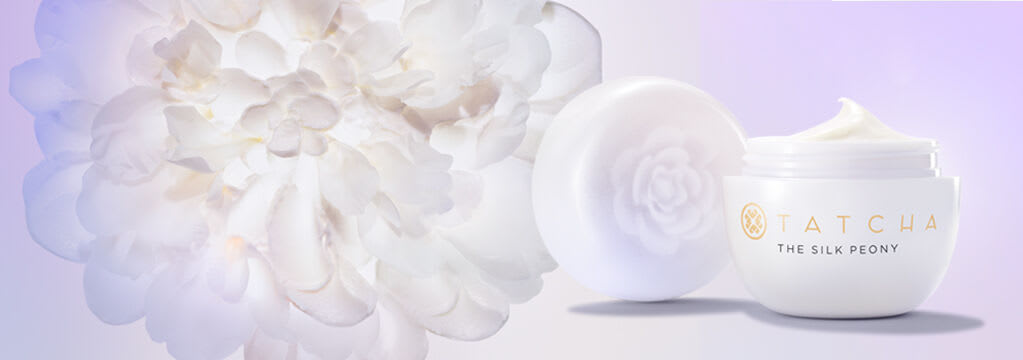
From hydration to brightening, eye creams deliver. Learn four key perks of consistent use and find the best product for revitalized eyes. As the time-old adage goes, the eyes are the window to the soul. The skin around your eyes is the most delicate not just on your face, but on almost your entire body, which is why it’s so important to treat your eyes with the utmost care. Whether you’re a longtime fan of eye creams or looking to add one to your daily ritual for the first time, there is a product–or products–for you.Below, explore the four key benefits of adding eye cream to your daily routine—and the formulas that achieve each one.Delicate Eyes Deserve Day-to-Night CareMany people like to use one eye cream for morning and another for night. If you find a lightweight eye cream works best for you during the daytime, try out our Luminous Deep Hydration Firming Eye Serum, which provides lightweight hydration, relief from puffiness, and works well under sunscreen and makeup for daytime use. At night, you might look for a richer, more emollient moisturizer that can serve as an eye treatment to deliver deeper results while you sleep.Applying Eye Cream The Right WayNo matter what eye cream you choose, it’s best to very lightly tap on a rice grain-sized amount right after or before applying your moisturizer morning and night. Our founder, Victoria Tsai has a brilliant tip: “With your fingertips, apply eye cream liberally in big circles around your eyes, down to the top of your cheekbones, and all the way up to your eyebrows. I think of the outline of Jackie O’s huge, iconic sunglasses.”Benefit 1: Reduce Dark CirclesThere are several reasons why you may have developed dark circles or discoloration under your eyes, the most common being stress and fatigue, followed by allergies and genetics.The Brightening Eye Cream is the best under eye cream for dark circles. Think of this eye cream as a mindful reset for tired eyes. A synergistic mix of skin brighteners and heritage Japanese extracts works in harmony with slow-release vitamin C, bathing the area in continuous radiance for up to 12 hours. Puffiness melts away, three kinds of dark circles lighten, and the skin’s barrier grows stronger with every application. Hyperpigmentation fades; your eyes regain their natural, healthy glow.Benefit 2: HydrateThe primary reason the eye area can be so dry is that it has very few oil glands, so it doesn’t have the natural ability to keep skin moist and hydrated. On top of that, using drying makeup removers and cleansers can deplete what little moisture you have left around the eyes, causing extreme dryness.Among our best-selling eye creams is The Silk Peony, which melts to release a double shield of hydration for the delicate skin around the eye area. It’s formulated with line-smoothing liquid silk and Japanese white peony, which seals in moisture and reduces dryness.Benefit 3: Reduce PuffinessChronically swollen and puffy eyes can be caused by a myriad of sources, including lack of sleep, stress, diet (including alcohol), and allergies. Getting plenty of sleep, reducing allergy symptoms, and curbing alcohol intake are all great ways to decrease puffiness, but an eye cream formulated with caffeine is a great help too.Our Luminous Deep Hydration Firming Eye Serum combines Okinawa red algae, honeysuckle leaf, and that beneficial caffeine, along with a cooling massage applicator. The serum diminishes the appearance of fine lines and puffiness, and is also visibly firming and moisturizing. Additionally, an eye-roller or cooling applicator is a beautiful way to not only provide a gentle massage to the area, but reduce inflammation and puffiness. When massaging, just be cautious of pressure and go gently. Squeeze serum from the tube onto the cooling ceramic applicator and massage under the eyes to restore youthful radiance to the eye area.Benefit 4: Promote ElasticityEyes that are drier and have a lack of firmness require a more luxurious, enhanced formula for optimum improvement and that’s where our Ageless Revitalizing Eye Cream steps in. The rich, velvety formula is packed with Okinawa red algae and hyaluronic acid, which hydrates the under-eye area, and peony and honeysuckle extracts to help improve the appearance of elasticity and boost healthy aging.

How to Minimize Pores: Causes, Tips & Skincare Picks
Enlarged pores are completely normal, but if you're looking to make them appear smaller, you're not alone. This guide shares simple, effective ways to refine the look of pores and keep your skin feeling smooth, balanced, and healthy. The Purpose of Pores Each pore on your skin is an opening to a tiny canal called a follicle, which holds both a hair and an oil gland. This oil gland plays a crucial role in keeping skin healthy and hydrated by releasing sebum, the skin’s natural moisturizer. However, when pores appear enlarged, they often become a cosmetic concern—and a common frustration for those chasing a smoother, more refined complexion. What Causes Enlarged Pores? Pore size is partly genetically determined, but clinical factors include excess sebum production, reduced skin elasticity around the pores, and increased hair follicle size. Aging, sun damage, and hormonal changes all contribute to enlarged pores, too. It’s worth noting that the term “enlarged pores” is a tad misleading because pores cannot open or close—but their appearance can be made to look larger or smaller. How to Minimize Pores While you cannot permanently shrink pores, you can make pores appear smaller with a skincare routine tailored to your skin's needs. From keeping skin clear of impurities to daily sun protection, here are the most effective and important tips on how to minimize pores. Cleanse Properly Gently and properly cleansing your face twice a day is the first step to unclogging pores and reducing oiliness. Exfoliate Consistently Gently exfoliating may make pores less noticeable, says the AAD. This is because when pores are clogged, they look more noticeable, and effective exfoliation basically ‘cleans out’ pores, helping to eliminate excess oil, sebum, and dead skin cells while visibly tightening the appearance of pores. This can be accomplished with physical exfoliants (like scrubs) or chemical exfoliants (like AHAs and BHAs). Be sure to follow your exfoliant's instructions on frequency of use so as to not cause irritation. Apply Sunscreen Daily Not only is using sunscreen a great idea for the overall health of your skin, but consistent, daily usage protects from sun damage that causes the skin to lose firmness, making pores look more enlarged. Clarify with a Mask Face masks offer a range of benefits for the skin, especially when it comes to clarifying pores. A gentle, pore-purifying mask can help reduce excess oil and sebum in just minutes. Just be sure to choose one that’s formulated for sensitivity—overly harsh clay masks can dry out and irritate the skin. Hydrate Thoughtfully Those with enlarged pores might be tempted to skip a moisturizer altogether, but that can actually trick the skin into producing more oil to moisturize skin, which can lead to, yep, enlarged pores. When choosing a moisturizer, look for a lightweight, non-comedogenic one that hydrates and balances skin. The Best Products to Minimize Pores A Pore-Minimizing Cleanser The Deep Cleanse. This gentle-yet-thorough formula both cleanses and exfoliates, carefully lifting dirt and oil to leave skin soft and balanced. The cleanser includes luffa fruit (a natural physical exfoliant) to help turn over dead skin cells, wild rose (to visibly reduce the appearance of pores and smooth skin), and leopard lily (to help minimize excess oil and prevent build-up). A Gentle, Effective Exfoliant The Texture Tonic. This game-changing liquid exfoliating treatment has AHAs to address dead skin cells and clogged pores, as well as niacinamide, Japanese mugwort, and wild rose to visibly even skin tone and texture—without stripping skin’s essential moisture. The formula is still gentle enough for all skin types, helping to visibly calm redness and irritation. A Pore-Mattifying Sunscreen Sunscreen is vital. Try our Silken Pore Perfecting Sunscreen, which has weightless broad-spectrum SPF 35 that blends effortlessly and invisibly for matte, poreless-looking skin. Or try The Silk Sunscreen. Formulated with niacinamide and hyaluronic acid, The Silk Sunscreen is specifically designed to visibly even skin tone. The weightless, hydrating formula provides broad-spectrum SPF 50 protection. A Pore-Refining Clay Mask The Clarifying Clay Mask. The pore-targeting mask pairs Japanese konjac (for gentle exfoliation) with volcanic ash to minimize excess oil and sebum for smoother and clearer skin in mere minutes. In clinical studies, 100 percent of users noticed a reduction in the appearance of pores after just a single application. A Lightweight Moisturizer The Water Cream. Reach for a lightweight cream, like this clarifying water-based moisturizer. The gel cream releases a burst of hydrating nutrients and pore-refining botanicals for healthy, balanced skin. The unique formula delivers deep hydration, without leaving skin sticky or greasy. And the cream employs a few powerful botanicals, including wild rose (for visibly smoothing texture) and leopard lily (to control excess oil and clarify skin).

The Best BHA Alternatives
BHA is a powerful exfoliant known for targeting acne, excess oil, and signs of aging—but it can often be too harsh. That’s where gentler, skin-loving alternatives come in. We found the most effective BHA alternatives to start using today. The best skincare routine won't be complex or complicated. Many regimens require skincare enthusiasts be at-home chemists, layering a cocktail of exfoliants that promise youth in a bottle. Take hydroxy acids for example (BHAs, AHAs, and PHAs)–designed to exfoliate, but they can easily cause irritation when applied incorrectly or in tandem. At Tatcha, however, we’re aiming to put the ‘care’ back into skincare. That doesn’t mean we aren’t fans of proper exfoliation (it’s one of our cornerstones of a daily ritual, in fact)—we just prefer gentler, thoughtful options. Keep reading as we uncover why we’re avoiding harsh exfoliants and choosing BHA alternatives instead.What are BHAs?BHAs, like salicylic acid, are cosmetic ingredients used to fight the signs of aging skin. They're mainly used in liquid exfoliants and are synonymous with acne-fighting because they’re small, oil-soluble molecules capable of penetrating pores. Within a pore, they address bacteria, sebum, and debris at the root of potential problems.Why Choose a BHA AlternativeWhile BHAs can be powerful, they also can be incredibly irritating for some because they work so deeply and effectively. They’re also not ideal for daily use—it’s best to use extreme caution when incorporating them into your skincare ritual, even tracking usage to ensure it's not too frequent. Misuse can leave skin feeling stripped, dull, off-balance and with a compromised skin barrier. And if you identify as having dry skin, it’s best to avoid BHAs altogether, as they can exacerbate dehydrated, irritated skin.BHA Alternative IngredientsMany BHA alternatives include an ingredient that’s just as effective at purifying pores yet gentle enough to use up to two times a day. That means you can worry less about the potential irritation or burning with harsh formulas. Here are a few of the most promising ingredients to consider in your next exfoliating product.Japanese Hatomugi (Coix Seed)A superfood ingredient widely trusted in Japan, coix seed extract has been used in herbal medicines for centuries. It’s relatively unknown still in the Western world, but is becoming wildly popular for its antimicrobial, antioxidant, and anti-inflammatory properties. This powerhouse ingredient has double the protein of rice and is rich in vitamins B1 and B2, iron, calcium, fiber, and amino acids—which can help decongest pores.Willow BarkWillow bark extract is largely recognized as the natural alternative to salicylic acid, thanks to the bark’s antibacterial and anti-inflammatory properties and its ability to gently target the production of excess oil. This natural BHA alternative is also known to support the skin’s natural turnover process (aka sloughing away dead skin cells), revealing a smooth and balanced complexion.BHA Alternative Skincare ProductsMany BHA alternative products come in the form of a cleanser, exfoliating toner, or treatment mask. A cleanser is a particularly easy way to incorporate the benefits of purifying pores, without adding additional steps into your daily routine. It’s also one of the most gentle formats to incorporate into your regime, even for those with sensitive skin.The Matcha Cleanse Two is better than one—and we took that belief to heart when crafting The Matcha Cleanse. We combined two powerful BHA alternatives, Japanese coix seed and willow bark, to quickly decongest pores and support skin surface turnover in a daily purifying—but not stripping—cleanser. The fragrance-free wash has a refreshing watery-foam gel texture that lathers up into a delightful cleanse. To support the skin, we also harnessed time-tested Japanese staples, including antioxidant-rich Kyo-matcha and ceramide-like Japanese mugwort, to bring harmony and balance to oily skin. The Matcha Cleanse focuses on mastering the art of pure pores, because, after all, a matcha a day keeps the shine away.

Why “Normal” Skin Is Really Combination Skin—and How to Care for It
“Normal skin” is an outdated concept—what’s truly normal is unique to you. Since skin is personal and always changing, we approach normal skin like combination skin, using adaptable products that support a variety of needs. While it helps to sort skin into types so that you have a better understanding of what formulas will work for you, normal should only refer to what is normal for you. Oily, dry, and combination skin types aren’t “abnormal,” and most people have skin that has a variety of unique needs that require attention. The subtleties of your skin can shift throughout your life depending on your genetics, age, hormones, the weather, and lifestyle choices, resulting in combination skin as opposed to a one-size-fits-all definition of normal skin. Identifying your skin type and staying flexible in your skincare journey will help you achieve your version of normal, balanced and harmonious skin.Why Skin Type MattersThe first and most important step in caring for your skin is understanding your unique skin type and how it responds to different conditions. While skin can adapt, misreading its needs can lead to visible imbalances. You are the most knowledgeable when it comes to your own skin, so pause for a moment to consider how your skin normally feels and acts. If you experience skin disruptions, like irritation, then you likely have sensitive skin. If your skin feels tight, your skin is likely dry. If you constantly have glistening skin that requires blotting, then you likely have oily skin.Understanding Normal SkinThe term “normal skin” is a bit outdated—it simply means there are no pressing concerns to address. We believe that when it comes to skin, however, there is no such thing as normal—just what’s normal for you. Skin types like oily, dry, or combination are helpful categories, but real skin needs are personal and ever-changing. As such, we believe that normal skin should be should be treated like combination skin, with combination skincare products designed to be effective for both oily and dry skin types.Understanding Combination SkinCombination skin defies categories and looks different on everyone. For some, you might experience oily areas on some parts of your face, but not on others. Or, you might have dry zones or areas of increased sensitivity that are confined to one area. We consider the defining philosophy of combination skin to be that you aren’t limited to one singular skin treatment. You might be oily in some areas, dry in others, and balanced in others. If this sounds like you, we recommend a tailored combination skincare routine that works for both oily and dry skin types.Caring for Combination SkinOpt for a skincare routine designed for combination skin and then let your skin guide you to determine how to reach balance. We’ll share some of our thoughts, but ultimately, your skin is uniquely you and doing what feels right is the path forward.CleansingCleansing combination skin is all about retaining moisture. Gel cleansers clear away buildup without leaving skin tight, while lightweight cleansing oils nourish and balance both oily and dry areas.ExfoliatingGentle exfoliation is a smart addition to any combination skincare routine—it helps clear pores, smooth texture, and remove buildup more effectively than a cleanser alone. Choose either a physical or chemical exfoliant, depending on your preference—they both refine and help minimize pores.MoisturizingIf areas of your skin lean toward dryness, you can nourish your skin with a hydrating boost of moisture by applying The Dewy Serum before your moisturizer. This three-in-one formula resurfaces with lactic acid in Hadasei-3™, plumps with hyaluronic acid, and hydrates with squalane for smoother, plumper, dewier skin.When choosing a moisturizer, use a gel moisturizer in the summer and a richer cream in the winter to keep skin balanced year-round. Both are light enough to use on their own, but together they create the ideal seasonal duo.ProtectingCombination skin tends to stand out most when it feels out of balance—dry areas become uncomfortably parched while oily zones feel overly slick. A weakened skin barrier from environmental stressors can make this imbalance worse. That’s why daily sunscreen for combination skin is essential to help defend and stabilize skin at the cellular level.AdditionsBeyond your foundational skincare formulas, you can add in extras to use whenever you need a boost. Masks, like our Luminous Deep Hydration Lifting Mask, for example, are great for use once or twice a week to provide a surge of moisture when you feel you need a lift. Or, if you have an oily T-zone, using lightweight blotting papers throughout the day like our Aburatorigami will soak up excess moisture.Beauty for a lifetime starts with a mindful approach every day. Each morning, take a sacred pause before you begin cleansing, observing what and how has occurred to your skin overnight. By treating your skin with formulas that enhance wellbeing, rather than an all-in-one approach, you can create a personalized ritual that will soothe and strengthen your skin.